


©2023 Savvy360, LLC. All Rights Reserved
PLAN A TRIP IN OUR APP


Sacred Blue
Enjoy Crater Lake, one of Oregon's most humbling landscapes
BY Gregg Morris
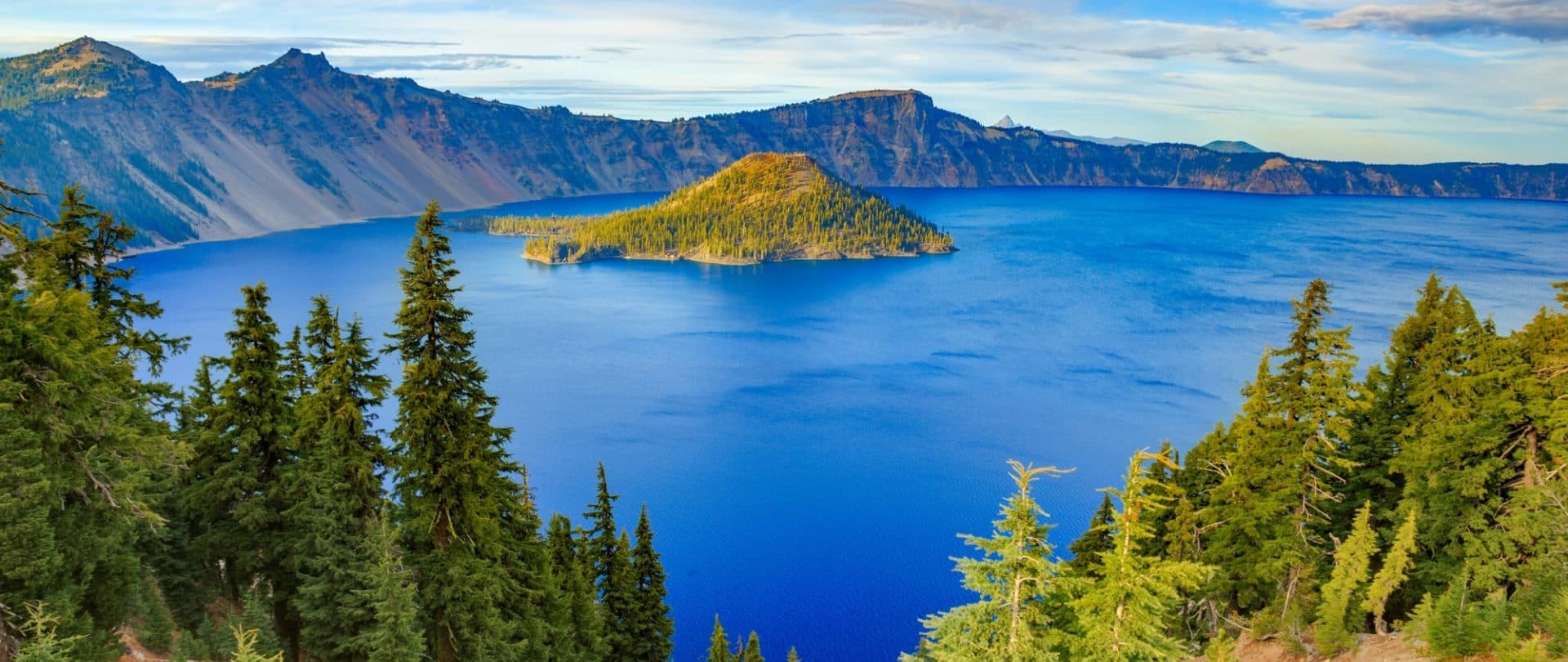
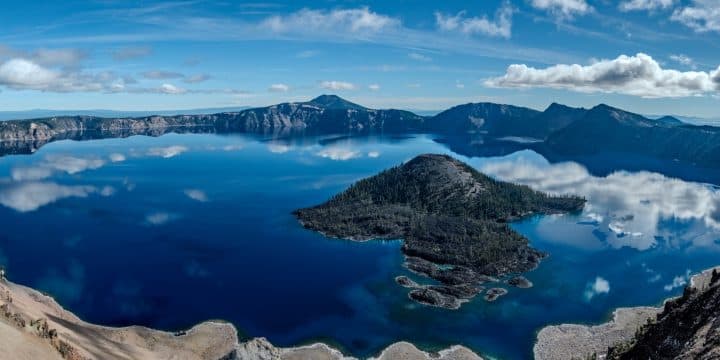
Roughly 7,700 years ago, the southern Cascades’ stratovolcano, Mount Mazama, erupted and blew its 12,000-foot peak into debris spread across the Pacific Northwest. The cone collapsed into itself, leaving behind a caldera more than five miles in diameter, awaiting the collection of centuries’ worth of rain and snow. The Klamath people — the Makalak band chief among them — witnessed the mountain’s collapse, and the lake it left behind, known as Giiwas, became a sacred site for prayer and vision quests that endures today.
Today, that caldera is known as the 1,943-foot-deep Crater Lake — the deepest lake in the United States and the focal point of the eponymous Crater Lake National Park. The 286-square-mile park sits about a two-hour drive from Bend, south on Highway 97 and west on Highway 62. More than half a million people visit Oregon’s only national park each year, with the lion’s share arriving between late June and mid-September.
Visit the Visitor Centers
Before you chase the views, stop in at the Rim Village Visitor Center or the Steel Information Center, where park rangers are ready to help you make the most of your time. The nonprofit Crater Lake Natural History Association operates the park stores to fund educational and scientific services. Whether you’ve come for the scenery, the trails, or just to see what all the fuss is about, the knowledgeable staff will point you in the right direction.
If Crater Lake is the crown jewel of the park, then the historic Rim Drive is Oregon’s Imperial State Crown. Circumnavigating the lake, Rim Drive is a 33-mile loop with five picnic areas, six trailheads, and 30 overlooks that frame the lake and its surrounding forests. Originally built in 1913 as the Rim Road, it evolved into Rim Drive in 1931. Today, the road sees cars, bicycles, and even skiers and snowshoers when it shuts down for the winter around November 1.
Drive the Rim
Behind the wheel, one trick makes the drive: go clockwise, and the lake stays close on your right, with pullouts arriving just when you want them. When you find yourself on the West Rim Drive section, pull into Watchman Overlook where Wizard Island rises from the water — a volcano within a volcano. Feeling restless? Find the trailhead and take the short trail up to Watchman Peak. The hike leads to an old fire lookout, where the whole caldera opens up beneath you. Bonus points if you plan the climb for sunrise or sunset, when low light gilds the surrounding forests. On the opposite side of the lake, the Cloudcap Overlook sits at an elevation of 8,000 feet above sea level, high above the east end of Rim Drive.
Skip the driving altogether and book a trolley tour through Crater Lake Trolley. The two-hour tour runs along the Rim Drive, with photo opportunities at several significant overlooks.
Cycle the Rim Drive
Cyclists earn their views here. Rim Drive’s 33-mile loop is the marquee route, though it means sharing a narrow, shoulderless road with traffic and grinding out nearly 4,000 feet of climbing. Bikes aren’t permitted on park trails, but Grayback Drive offers a quieter alternative: eight miles of unpaved, vehicle-free road on the park’s south side, well suited to mountain biking in summer, with water and parking nearby at Park Headquarters. Farther afield, the technical North Umpqua Trail in Umpqua National Forest and the scenic Diamond Lake Loop make rewarding day trips. Because roads and trails shift with the seasons, check current conditions before setting out.
Ski the Rim
Though Crater Lake rarely freezes over, the park receives over 500 inches of snow each winter, prompting jealousy among ski resorts in Bend and on Mount Hood. Highway 62 and the road to the park headquarters are plowed daily, as is the road from the headquarters to Rim Village, although sometimes heavy snow closes the road for days or even weeks at a time. Your best starting point for Nordic skiing or snowshoeing is Rim Village. The surrounding winter wonderland beckons snow worshipers to enjoy the bounty and then head into the Rim Village Café and Gift Shop for some hot cocoa. Each year, many brave souls spend a few days in the backcountry and ski the 30 miles around the lake. Always check the weather reports and webcams, and don’t forget your warm clothes and winter essentials.
Hike the Park
On foot, Crater Lake ranges from gentle to grueling. Six trails stay under two miles, two are all-terrain wheelchair accessible, and five welcome leashed pets. The Rim Trail is the most popular trail, offering lake and island views, wildflowers, and whitebark pines. For a bigger challenge, several trails climb from the rim to over 7,000 feet. The 3.6-mile switchback-heavy Garfield Peak Trail, the 1.6-mile round-trip Watchman Peak Trail, and the 4.4-mile round-trip Mount Scott Trail all repay their lung-busting climbs with wide-open views over the lake. Backpacking is very popular in the park, including along the 33-mile section of the Pacific Crest Trail, which runs through the park. Don’t forget to pick up a free backcountry permit before heading out.
For a complete park experience, try the self-guided Rim Village tour. Walk along the stone wall outlining the Rim Village Promenade, a historic district listed in 1997 on the National Register of Historic Places. Don’t forget to stop in the Kiser Studio, Community House, and Mather Observation Bay. Also of note, the Cleetwood Cove Trail — the park’s only trail down to the water — is closed for rehabilitation through 2028.
Enjoy Nature in the Park
The park’s wilder residents tend to keep to its quieter corners — Roosevelt elk, mule deer, black bear, bobcat, marmot, and squirrels among them, plus birds from bald eagles to peregrine falcons.
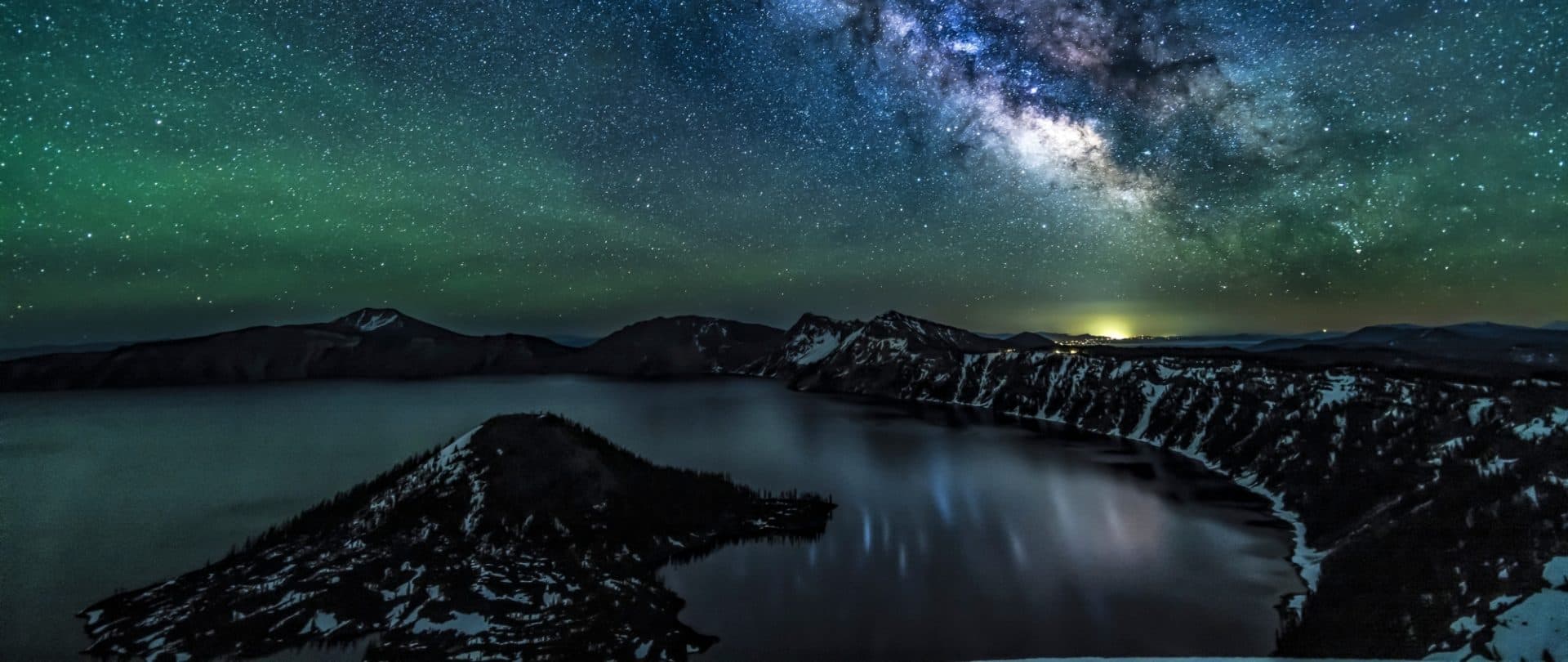
Stargazing has become an increasingly popular activity in the park, due to its lack of light pollution and high elevation. Many visitors head to Watchman Overlook or Sinnott Memorial Overlook to watch the Milky Way put on a show. Check the website calendar to see when the park rangers are hosting summer night sky programs. During the summer days, wildflowers bloom in the park’s meadows and wetlands. Please avoid picking or stomping on the flowers, which bloom throughout the summer depending on elevation.
Eat & Sleep in the Park
When trail mix and PB&J lose their charm, the park has three places to eat. The Rim Village Café offers grab-and-go, snacks and sandwiches for the trail. In Mazama Village, Annie Creek Restaurant offers breakfast, lunch, and dinner in a casual dining setting. The Crater Lake Lodge Dining Room is the dressed-up option, with white tablecloths, windows onto the lake, and quality meals. Reservations are recommended for the main dining hall, while small plates, appetizers, and cocktails are served in the Great Hall and Terrace between lunch and dinner.
Home to 71 hotel rooms, Crater Lake Lodge opened in 1915 and underwent a major remodel in 1995. Known for its prime lake real estate and native stone facade, the lodge offers Lofts, Standard Lodge Rooms, and Deluxe Lake View accommodations from mid-May through mid-October. Grab your reservations early, as the rooms get snatched up quickly. The 10 Cabins at Mazama Village and its neighboring campgrounds provide a more rustic overnight experience in the ponderosa pines. Located seven miles south of Rim Village, the Mazama lodging options are situated near the Annie Creek Restaurant and Gift Shop for lunch and park gifts, and the Mazama Village Store for your everyday camping needs.
When park accommodations fill up, check the expansive Running Y Resort, Lake of the Woods Resort, or Klamath Inn. Or, if you’re feeling lucky, spend the night at the Kla-Mo-Ya Casino.
Need-to-Know Facts
• Entrance fees run from $15 to $30 for a seven-day pass, depending on whether you arrive by car, motorcycle, or on foot; children under 16 enter free, and the park is cashless.
• The park’s three main entrances include Oregon Highway 62 from the west (Medford) or south (Klamath Falls), and Oregon Highway 138 from the north, which is closed during the winter.
• Pets must be leashed.
• Many areas within the park are wheelchair accessible. Check the website for more information.
• Though the park is heavily visited, animals still roam the grounds. Always respect the native species and give them plenty of room.