


©2023 Savvy360, LLC. All Rights Reserved
PLAN A TRIP IN OUR APP






Cultural Treasures
Preserving nature, history, and heritage at Hawai‘i Island's museums
BY Krystal Kakimoto
The Island of Hawai‘i — the largest yet youngest of the main Hawaiian Islands — pulses with extremes. Here, lush rainforests drink in misty valleys while black-sand beaches meet turquoise swells, and snow crowns the volcanic peaks above. But beneath this dramatic landscape beats an equally vibrant cultural heart, one that echoes through museum halls where ancient chants meet modern science, where fishing nets hang beside telescopes, and where the stories of this land refuse to stay silent.
From plantation-era artifacts that speak of immigrant dreams to galleries celebrating native wisdom, these cultural treasures invite you to understand Hawai‘i, not just as a place you visit, but as a living, breathing narrative still being written.
Hawai‘i Science and Technology Museum
Founded in 2015, the Hawai‘i Science and Technology Museum is a federally recognized nonprofit organization dedicated to bringing STEM education to the Island of Hawai‘i. Its mission is to ignite curiosity and inspire the next generation of innovators through interactive exhibits, hands-on activities, and meaningful engagement with enthusiastic staff and volunteers.
Open to the public on the second Saturday of every month, the museum offers an inviting space where learning and play intersect. Visitors can challenge themselves in a friendly game of chess, browse the science library, or explore rotating exhibits that delve into fascinating topics such as the technology once used by pirates, the mysteries of astronomy, and the forces that shape our weather. The Hawai‘i Science and Technology Museum isn’t just a place to observe — it’s a hands-on haven designed to spark wonder in both wide-eyed children and their grown-up companions, offering families the perfect afternoon to explore, tinker, and forge lasting memories through the captivating magic of science.
Hawai‘i Science and Technology Museum; 64 Keawe Street, Suite 201, Hilo; (808) 731-4476; hawaiisciencemuseum.org; Open the second Saturday of the month from 10 a.m. to 2 p.m.
Hulihe‘e Palace
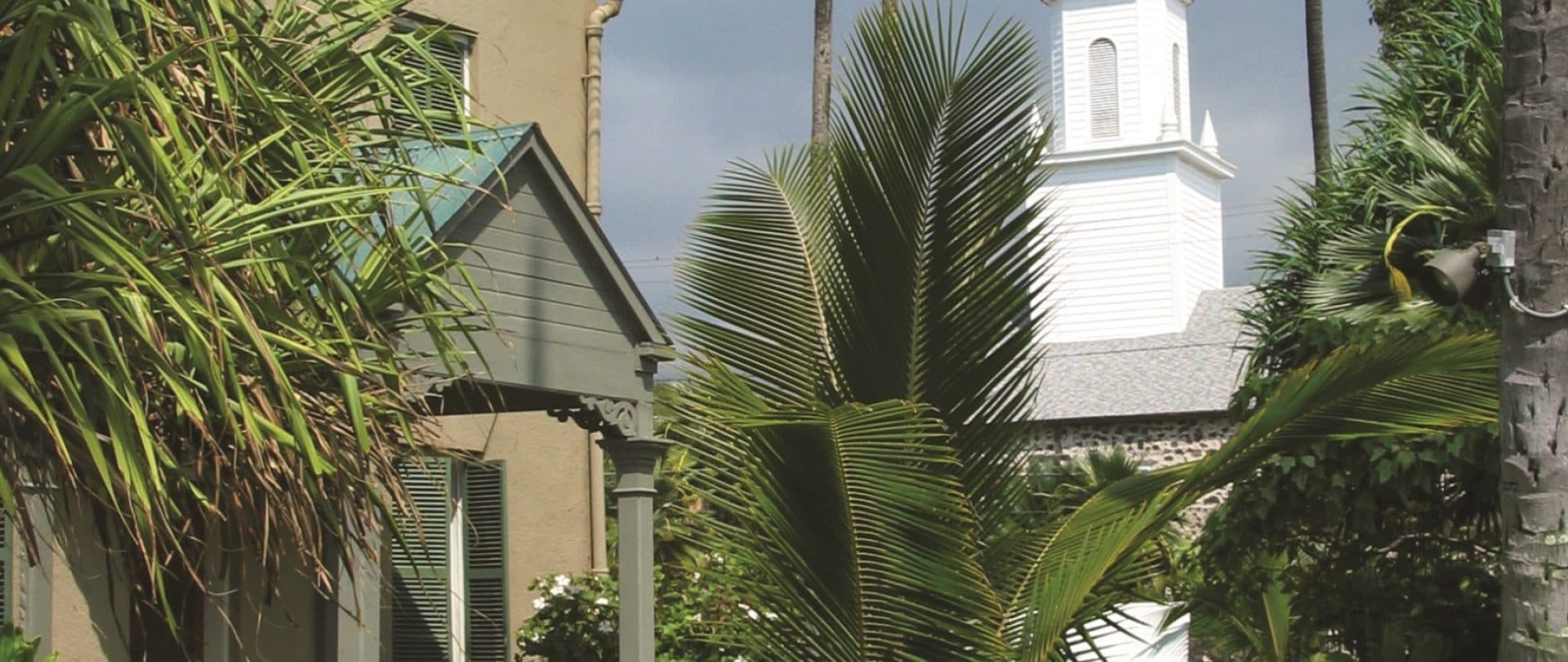
Where the Pacific meets the historic shores of Kailua-Kona stands Hulihe‘e Palace, a magnificent window into the grace, tranquility, and regal legacy of old Hawai‘i. Built in 1838 by High Chief John Adams Kuakini, the stately lava rock residence was passed down through generations of Hawaiian royalty, including Princess Ruth Ke‘elikōlani and Princess Bernice Pauahi Bishop. After King David Kalākaua acquired it, he added a plaster finish to the lava rock and filled its chambers with the ornate flourishes of Victorian elegance.
Today, the palace is lovingly preserved by the Daughters of Hawai‘i, who welcome guests to explore its two-story halls and six elegantly appointed rooms. Each space is adorned with koa wood furniture, royal portraits, and cherished heirlooms once belonging to the ali‘i (chiefly) class. Whether you choose a self-guided or docent-led tour, stepping into Hulihe‘e Palace is a journey back in time where you might find yourself standing in the very room where King Kalākaua entertained guests.
Hulihe‘e Palace; 75-5718 Ali‘i Drive, Kailua-Kona; (808) 329-1877; daughtersofhawaii.org/hulihee-palace; Open Wednesday through Saturday from 10 a.m. to 3:30 p.m. with the last entry at 3 p.m. Docent-guided tours are generally available at 11:30 a.m.
‘Imiloa Astronomy Center
Embark on a journey of discovery at the ‘Imiloa Astronomy Center, where the traditions and knowledge of ancient Polynesian voyagers meet modern science. Founded in 2001, this 40,000-square-foot exhibition and planetarium complex celebrates the deep connections between Hawaiian culture, history, and astronomy. Inside the exhibit hall, the story of human exploration unfolds through bright, immersive displays and installations that bring Hawai‘i’s celestial heritage to life. Visitors can also step into the planetarium to see captivating shows such as “Pānānā Kilo Hōkū,” an introduction to the Polynesian star compass, or “Kumulipo,” a Hawaiian creation chant tracing the origins of the universe.
Beyond the indoor exhibits, visitors can explore native gardens, where the plants carried by Polynesian voyagers on their canoes still thrive, creating a tangible link to their journey across the Pacific. Finish your visit with a meal at Lehua Café, the on-campus restaurant, to enjoy the diverse flavors of the islands.
‘Imiloa Astronomy Center; 600 ‘Imiloa Place, Hilo; (808) 932-8901; imiloahawaii.org; Open Tuesday through Sunday from 9 a.m. to 4:30 p.m.
Kona Coffee Living History Farm
Step back in time at the Kona Coffee Living History Farm, operated by the Kona Historical Society. Once the homestead of the Uchida family, coffee pioneers from Japan’s Kumamoto Prefecture, the farm offers a rare glimpse into life on a Kona coffee farm between 1925 and 1945.
The story begins with Daisaku Uchida, who emigrated from Kumamoto to work on Kaua‘i’s Līhu‘e Sugar Plantation. After completing his contract, he journeyed to Kona, where he established his own coffee farm and raised his family with his wife, Shima. Today, visitors can tour the original wooden farmhouse, which was home to three generations of the Uchida family. The farmhouse features an open hearth used for cooking rice and traditional tatami (woven straw) floors that transport you to a bygone era.
Outside, guests can learn the art of selecting and hand-picking coffee cherries, view the original kuriba (coffee mill) and hoshidana (coffee drying platforms), and discover how the Uchidas tended their crops. The experience weaves through a tranquil Japanese garden tended with ancestral care, past a bustling chicken coop alive with clucks and feathers, and culminates in meeting Shizu and Charlie Boy — the beloved Kona Nightingale donkeys who help add to the story of the donkeys that once plodded between neighboring farms, their sturdy backs laden with the aromatic harvest that built an industry and sustained a dream.
Kona Coffee Living History Farm; 82-6199 Mamalahoa Hwy, Captain Cook; (808) 323-3222; konahistorical.org/kona-coffee-living-history-farm; Open Tuesday and Friday from 10 a.m. to 2 p.m.; Final admission to the farm is at 1:15 p.m.
Lyman Museum and Mission House
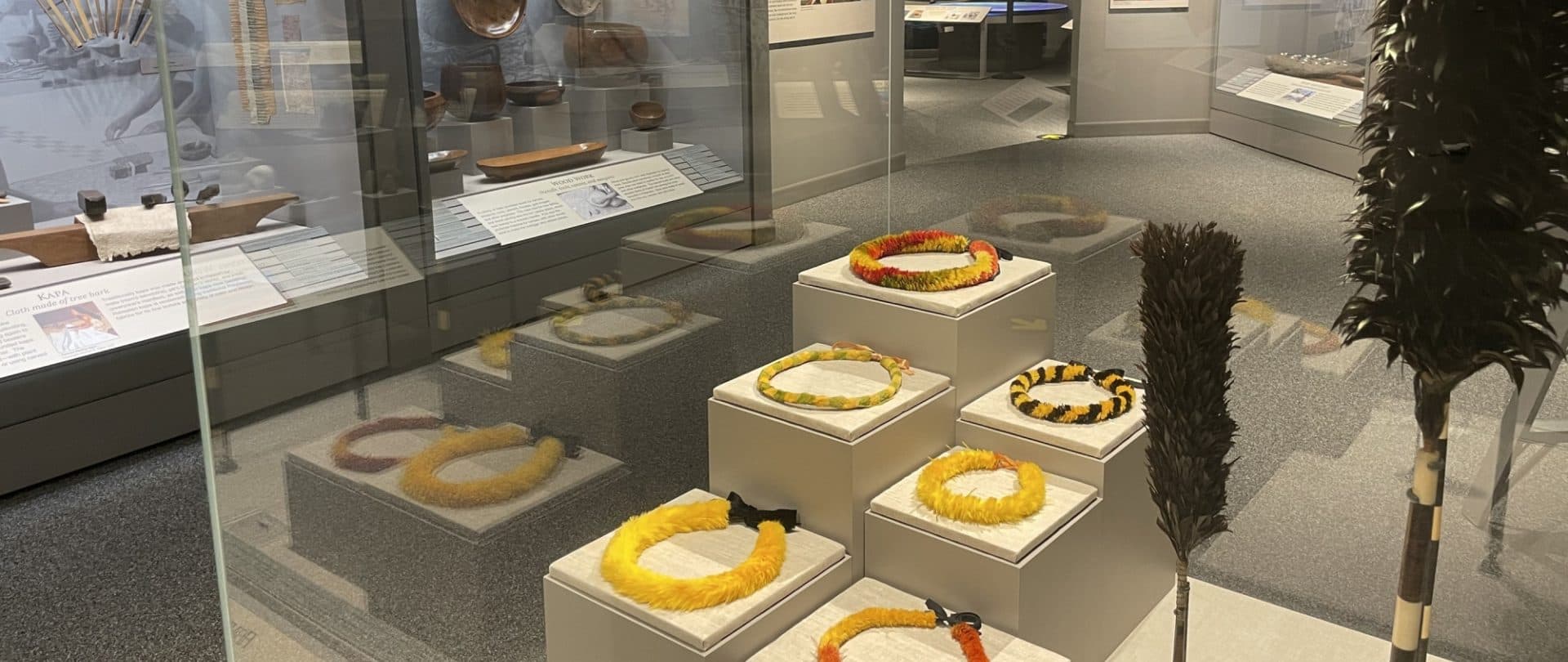
At Lyman Museum and Mission House in Hilo, visitors are transported back to the early 1800s, when the first Christian missionaries arrived in Hawai‘i. The museum, a nationally accredited and Smithsonian-affiliated institution, features two permanent exhibits: the Earth Heritage Gallery, which explores Hawai‘i’s natural history prior to human contact, and the Island Heritage Gallery, where guests can learn about the ethnically diverse communities that shaped modern Hawai‘i. Rotating special exhibits offer new opportunities to explore topics such as Hawaiian featherwork, life in Hawai‘i before statehood, and more.
The historic Lyman Mission House, built in the late 1830s by missionaries David and Sarah Lyman, also stands on the museum grounds. As the oldest wooden structure on the Island of Hawai‘i, the home offers a rare glimpse into 19th-century missionary life. Docent-led tours reveal what daily life was like for a family stationed 5,000 miles from home, living without electricity or running water. Original furnishings, domestic implements, and personal artifacts belonging to the Lymans and fellow missionaries remain preserved here, allowing contemporary guests to viscerally encounter the hardships and rhythms of operating a distant Pacific outpost.
Lyman Museum and Mission House; 276 Haili Street, Hilo; (808) 935-5021; lymanmuseum.org; Open Monday through Friday from 10 a.m. to 4:30 p.m.
Nani Mau Gardens
Where papaya fields once flourished, Nani Mau Gardens — aptly named "beautiful forever" — now unfold across 23 acres as a living tapestry of over 2,000 plant species that have been captivating global visitors since 1972. This Hilo sanctuary weaves together 200 blooming varieties, a century’s worth of tropical fruit trees, and cascading orchids into an immersive journey where meandering pathways reveal unexpected treasures: a Japanese bell tower rising gracefully against the sky, hibiscus blazing in tropical brilliance, and water features that whisper tranquility to all who wander near. Here, guests become their own guides, moving at nature’s pace through this horticultural masterpiece where Hawai‘i’s botanical bounty and cultural spirit intertwine to create moments that linger long after the visit ends.
Nani Mau Gardens; 421 Makalika Street, Hilo; (808) 959-3500; nanimaugardens.com; Open daily from 10 a.m. to 5:00 p.m. Restaurant open Wednesday through Sunday from 5:30 p.m. to 9 p.m.
Pacific Tsunami Museum
For almost 30 years, the Pacific Tsunami Museum has dedicated itself to life-saving education, preserving tsunami history, and honoring victims. Located along Hilo Bay, where the 1946 and 1960 tsunamis struck, the museum is housed in the historic First Hawaiian Bank building, designed by the famous Hawai‘i architect Charles W. Dickey in the 1930s.
Inside its 5,300-square-foot space, visitors can explore engaging exhibits that explain the science behind tsunamis, how they form, and warning signs to recognize. Along with the 3D model of Hilo Bay, there is also an explanation of why Hilo is so vulnerable to their impact. The museum also offers powerful first-hand stories from survivors, interactive displays detailing events that reshaped the island, and a looping film shown in a converted bank vault, thoughtfully transformed into a cozy theater. Additionally, knowledgeable docents and volunteers are available to guide visitors through the exhibits, fostering not only understanding but also lasting respect and awareness of the ocean’s immense power.
Pacific Tsunami Museum; 130 Kamehameha Avenue, Hilo; (808) 935-0926; tsunami.org; Open Saturday and Sunday from 10 a.m. to 2 p.m.
Parker Ranch
Established in 1847 by John Palmer Parker, Parker Ranch continues to celebrate the timeless spirit of the paniolo (Hawaiian cowboy) through sustainable ranching practices, conscientious land management, and the safeguarding of paniolo cultural traditions. Perched upon the picturesque hillsides of Mauna Kea, this legendary ranch operates as a working cattle operation while cherishing more than 175 years of Island heritage.
Guests can discover the fascinating history of the Parker lineage through independent tours of the property’s heritage residences and landscapes. Notable attractions include Mana Hale, a dual-story “saltbox” dwelling constructed from indigenous koa timber by John Palmer for his aristocratic wife, Chiefess Kipikane, granddaughter of Kamehameha I. Another focal point is Pu‘uopelu, the Victorian-era estate acquired by John Parker II, which functioned as the ancestral residence for six successive generations. Throughout its refined interiors, visitors can appreciate an extraordinary art assemblage, ancestral portraits, vintage furnishings, and mementos collected from expeditions across the globe.
Parker Ranch; 66-1304 Mamalahoa Highway, Kamuela; (808) 885-7311; parkerranch.com; Self-guided tours by appointment.
Across the Island of Hawai‘i, nature and culture come together in breathtaking harmony, while its dynamic museums bring the stories of the land, sea, people, and sky to life. Together, these experiences create an unforgettable destination that captivates visitors every year.