


©2023 Savvy360, LLC. All Rights Reserved
PLAN A TRIP IN OUR APP


Bishop Museum Archives
Bishop Museum Archives

Bishop Museum Archives
Bishop Museum Archives

Bishop Museum Archives
Rascal of the Lariat
More than a century after his historic win at Cheyenne Frontier Days, the legacy of paniolo hero Ikua Purdy still rides through Waimea
BY Krystal Kakimoto
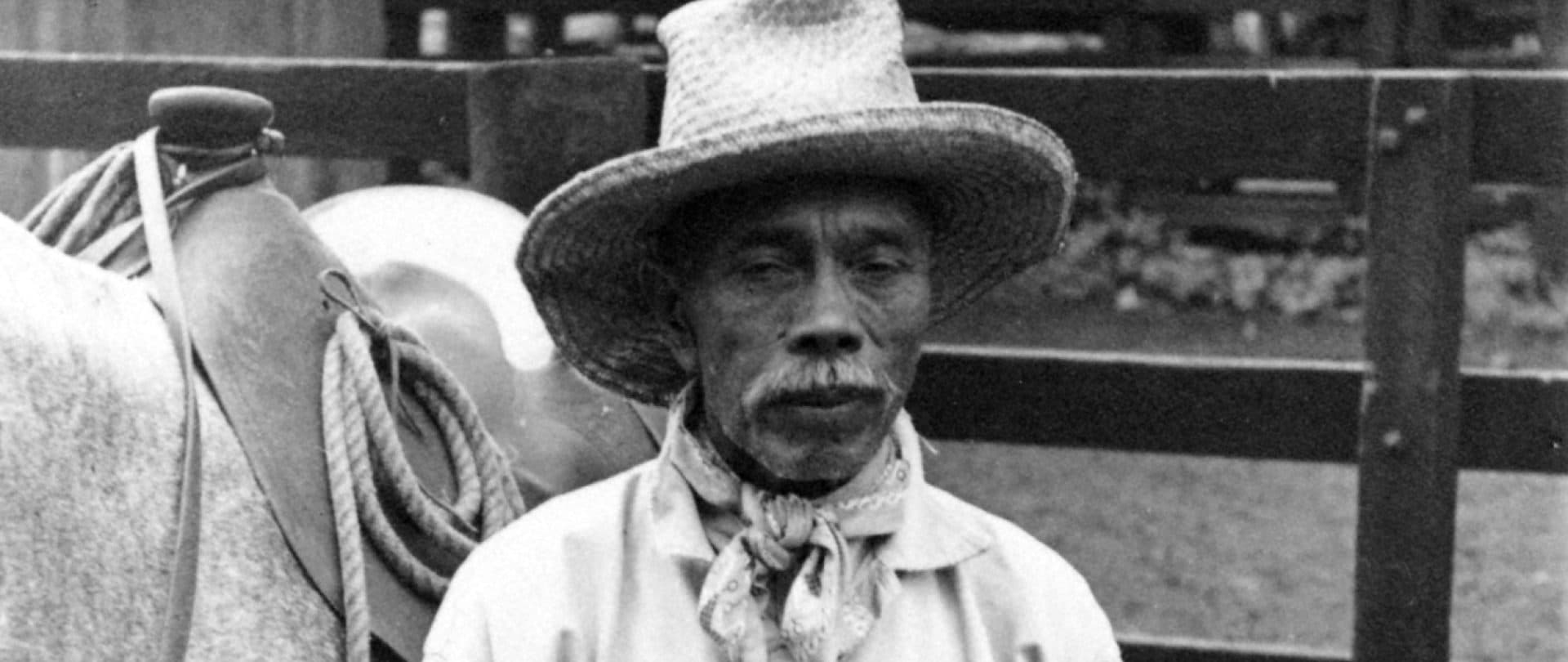
While visitors may pause to admire the larger-than-life bronze statue of Ikua Purdy at Parker Ranch Center or catch a glimpse of his likeness at the Paniolo Hall of Fame, few know the full story behind the legendary paniolo (Hawaiian cowboy) and the enduring legacy he left on the cowboy community, both in Hawai‘i and across the continent. Riding his way into history and later immortalized in song, Purdy carried the spirit of the Hawaiian cowboy onto the world stage. His landmark victory in the 1908 steer roping world championship at Cheyenne Frontier Days demonstrated that Hawai‘i’s paniolo culture could compete with, and even surpass, the finest cowboys of the American West, forever securing his place in rodeo lore and Hawaiian history.
Born on December 24, 1873, in Waimea on Hawai‘i Island, Ikua William Purdy was the son of William Harry Nāleilehua Purdy and Anna Kamakalia Parker Waipa. Through his mother, he was part of the prominent Parker family, whose legacy was deeply intertwined with the development of ranching in Hawai‘i. His great-grandfather, John Palmer Parker, founded Parker Ranch, one of the largest and most influential cattle ranches in the United States.
Raised amid the rolling pastures of Waimea, Purdy grew up immersed in the world of horses, cattle, and paniolo culture. From an early age, he learned the skills of ranching and horsemanship that were essential to life in the uplands of Hawai‘i. Working alongside seasoned cowboys, he developed an exceptional talent for riding and roping, earning a reputation for his natural athleticism, steady demeanor, and deep understanding of both the land and livestock. These qualities would later distinguish him as one of Hawai‘i’s most accomplished paniolo and help propel him into international recognition.
Purdy was part of Hawai‘i’s paniolo tradition, a culturally rich multigenerational community whose origins date back to the early 19th century. Paniolo emerged in response to a growing problem posed by wild cattle roaming the islands. In 1793, British explorer Captain George Vancouver presented King Kamehameha I with a gift of cattle: six cows and one bull. These cattle were meant to help ensure a future food supply for the kingdom and were initially placed under kapu (royal protection or taboo) and allowed to roam freely.
Over the following decades, the herd multiplied rapidly. With no natural predators and limited control measures, cattle populations exploded across the islands, trampling agricultural fields, damaging native landscapes, and creating significant challenges for local communities. Historical accounts describe herds that destroyed crops and even ate thatched roofs of homes in search of food.
In the 1830s, King Kamehameha III invited Mexican vaqueros (cowboys) to Hawai‘i to teach Native Hawaiians the skills of cattle ranching. These experienced horsemen introduced techniques in riding, roping, braiding, and herd management that would lay the foundation for Hawai‘i’s ranching industry. The Hawaiian cowboys who mastered these skills became known as paniolo, a term believed to have evolved from the Hawaiian pronunciation of español (Spanish).
Over time, the paniolo developed a distinct and vibrant culture that blended Native Hawaiian traditions with the influences of Mexican vaqueros. Known for their woven lauhala (pandanus leaf) hats, colorful palaka (checkered) shirts, and flower lei, paniolo became symbols of resilience, horsemanship, and pride. Music, storytelling, and oral tradition were essential to their way of life, preserving the history, values, and experiences of generations who worked the ranch lands of Hawai‘i.
The work itself required exceptional courage and skill. Early paniolo faced the dangerous task of tracking, roping, and corralling wild cattle that often weighed more than 1,000 pounds and could be extremely aggressive. Their expertise transformed a growing agricultural crisis into a thriving ranching industry and established a cultural legacy that remains an enduring part of Hawai‘i’s identity.
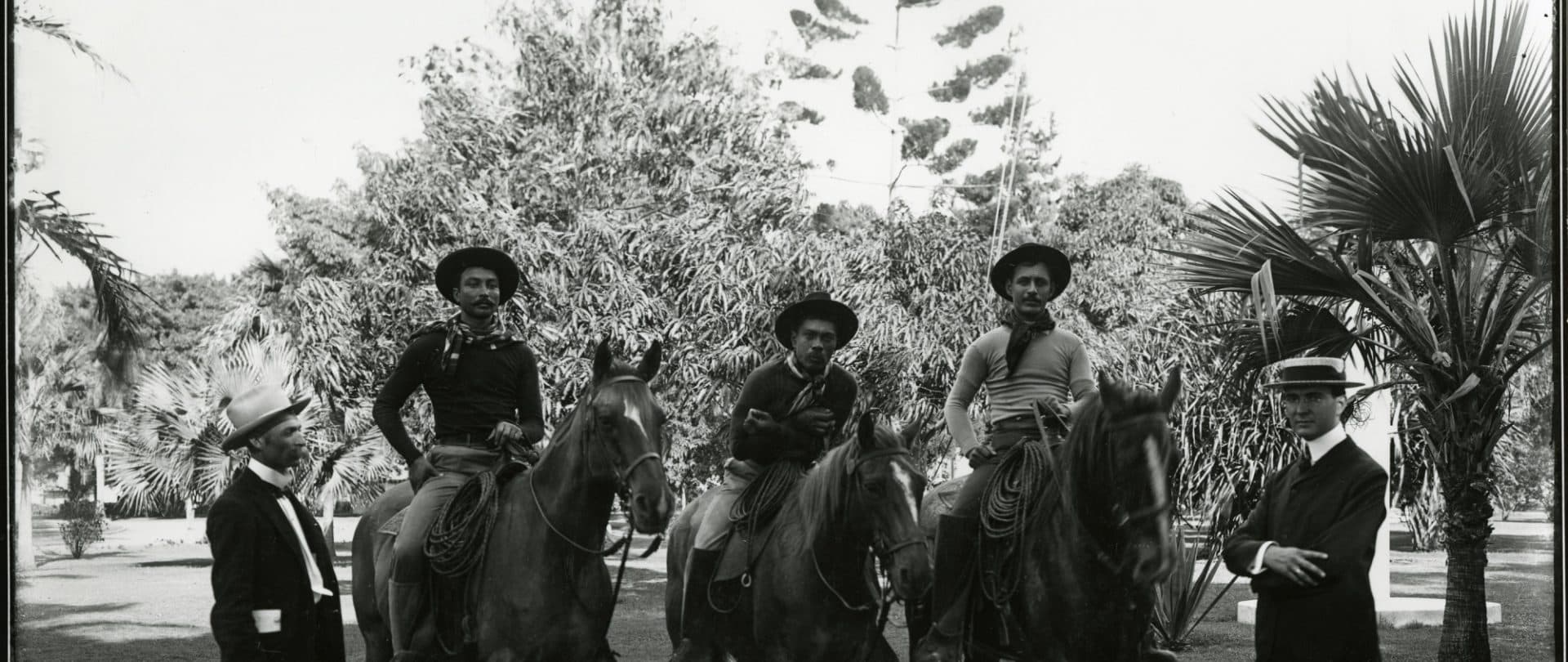
Despite their renown throughout Hawai‘i, the paniolo tradition remained largely unknown in the continental United States until 1908. The opportunity to introduce Hawaiian cowboys to a wider audience came after rancher Eben “Rawhide Ben” Low attended the prestigious Cheyenne Frontier Days in Wyoming the year before. Established in 1897, the annual rodeo and Western celebration attracted thousands of spectators eager to witness the finest cowboys competing in tests of skill, speed, and horsemanship. Convinced that Hawai‘i paniolo could hold their own against the best of the American West, Low organized and personally financed a journey to Cheyenne for Ikua Purdy, his half-brother Archie Ka‘au‘a, and his brother Jack Low.
When the Hawaiian delegation arrived in Wyoming, they drew immediate attention. Before crowds numbering in the thousands, the paniolo entered the arena wearing flower lei, floppy lauhala hats, and traditional riding attire, presenting a striking image unlike anything the spectators had ever seen. What began as curiosity quickly turned to admiration. Competing atop borrowed horses and under drizzling skies, Purdy delivered a historic performance in the steer roping world championship, roping, throwing, and tying his steer in just 56 seconds, using only 60 feet of rope. Archie Ka‘au‘a placed third while Jack Low finished sixth, completing an extraordinary showing for the Hawaiian team.
The victory electrified the crowd and challenged long-held assumptions about the cowboy culture of the American West. Newspapers carried accounts of the remarkable Hawaiian cowboys whose skill, confidence, and sportsmanship had captivated Cheyenne audiences. For the first time, the paniolo tradition had earned national recognition.
When Purdy, Ka‘au‘a, and Low returned home, they were welcomed as heroes. Thousands gathered at the docks to greet them, and celebrations erupted across Hawai‘i Island and Maui. Their feats were soon set to music in “Waiomina,” Hawaiian for Wyoming, a song that dubbed Purdy and Ka‘au‘a rascals of the lariat. Their success was more than a sporting achievement; it was a moment of immense pride for Hawai‘i, proving that a uniquely Hawaiian tradition could stand alongside the most celebrated cowboys in the world.
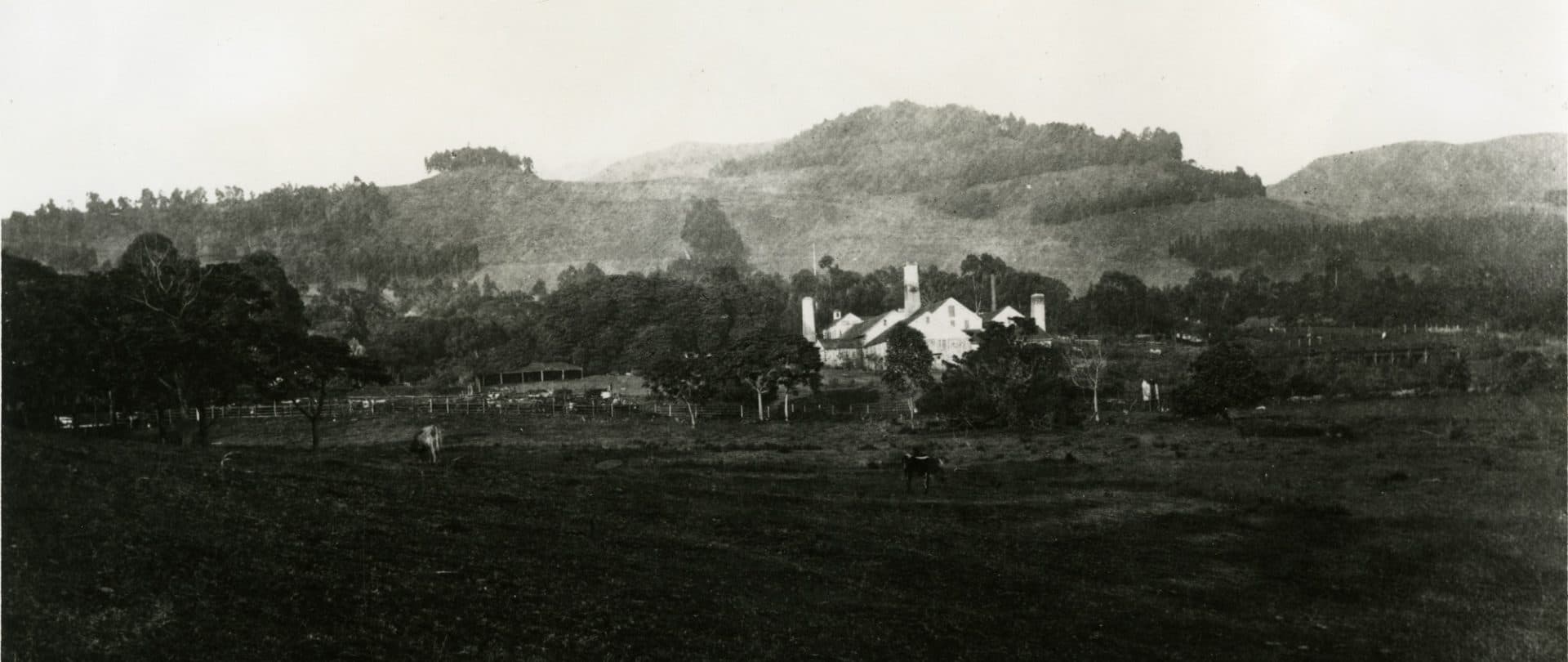
Following his triumph, Purdy settled in ‘Ulupalakua on Maui, where he resumed the life he knew best, working as a paniolo at ‘Ulupalakua Ranch. Though he never returned to the continent to defend his title, he remained a respected figure in Hawai‘i’s ranching community until his death in 1945.
Yet Purdy’s story did not end with his passing. In 1999, he was inducted into the Rodeo Hall of Fame at the National Cowboy & Western Heritage Museum and became the inaugural inductee into the Paniolo Hall of Fame. Four years later, a towering bronze statue depicting Purdy amid a championship roping run was unveiled in his hometown of Waimea, ensuring that future generations would remember the cowboy who carried Hawai‘i onto the world stage.
More than a century after his victory in Cheyenne, Ikua Purdy remains a symbol of courage, perseverance, and Hawaiian pride. His championship run lasted less than a minute, but his impact has endured for generations. Through his achievement, he elevated the paniolo from a regional tradition to an internationally recognized legacy, proving that greatness can emerge from even the most remote corners of the world. Today, his name is spoken with reverence among cowboys and ranching families alike, and his story continues to inspire those who value hard work, humility, and the fearless spirit that defines Hawai‘i’s paniolo heritage.