


©2023 Savvy360, LLC. All Rights Reserved
PLAN A TRIP IN OUR APP


Steadfast Spirit
The legacy of Princess Ruth Ke‘elikōlani
BY Krystal Kakimoto
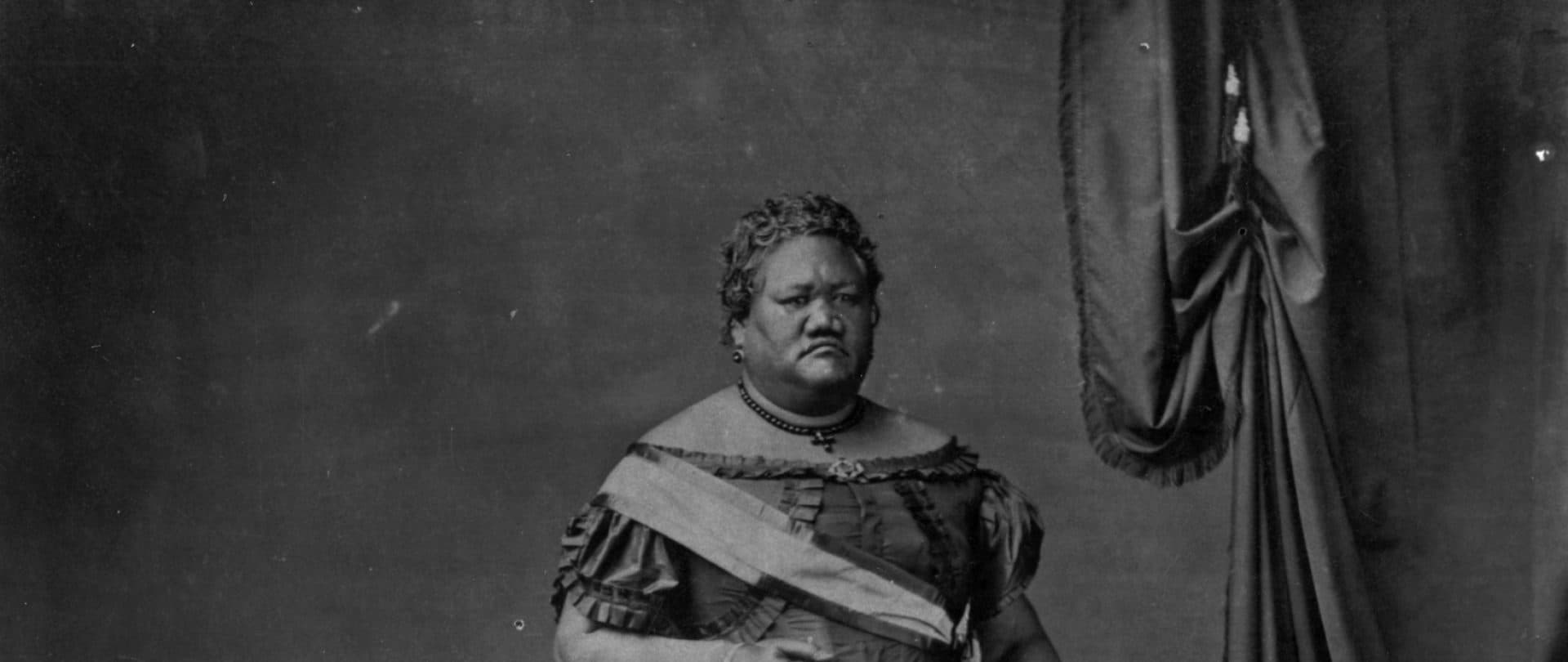
Born during a time of profound upheaval and transformation in Hawai‘i, Princess Ruth Ke‘elikōlani Keanolani Kanāhoahoa stood as a steadfast beacon of resilience and hope for her people. Entering the world on June 17, 1826, just seven years after the passing of King Kamehameha I and six years after the arrival of the first Christian missionaries, her early life was shaped by sweeping change, including many Hawaiians converting to Christianity, devastating epidemics brought by foreigners, and the erosion of the traditional Hawaiian ways. A member of the House of Kamehameha, Ke‘elikōlani dedicated her life to living pono (balanced, righteous, or virtuous), and to preserving Hawaiian identity and sovereignty.
Ke‘elikōlani’s mother, Kalani Pauahi, was a distinguished member of the Hawaiian royal family who passed away shortly after her daughter’s birth. While her maternal lineage is well established, her paternity has long been the subject of discussion. Kalani Pauahi was first married to her uncle, King Kamehameha II, who was only seven years her senior. Following his death, she wed Prince Kahalai‘a Luanu‘u, the governor of Kaua‘i and nephew to King Kamehameha I. Their union was brief and, in November 1825, just months before Ke‘elikōlani’s birth, Kalani Pauahi married Mataio Kekūanaō‘a. Ke‘elikōlani was publicly acknowledged as keiki po‘oula (a child of “two heads”), a traditional Hawaiian recognition bestowed upon children believed to inherit the mana (spiritual power) of both paternal lines.
Shortly after her birth, Ke‘elikōlani was given in hānai (customary adoption) to Queen Ka‘ahumanu, the favorite wife of King Kamehameha I and Kuhina Nui (regent or prime minister) of the Kingdom of Hawai‘i. As a young ali‘i (chief), she attended the Chiefs’ Children’s School, founded in 1839 by King Kamehameha III to educate the future rulers of the Hawaiian Kingdom. There, Ke‘elikōlani was introduced to a Western curriculum that included arithmetic, geology, and history. She became fluent in English, yet as an adult, she made the deliberate choice to speak exclusively ‘Ōlelo Hawai‘i (the Hawaiian language), a powerful affirmation of her cultural pride that required English speakers to communicate with her through translators.
Despite enjoying a nurturing childhood, tragedy struck when Ke‘elikōlani was just six years old with the passing of Queen Ka‘ahumanu. Following her hānai mother’s death, the young princess went to live with her father, Kekūanaō‘a, a prominent statesman who served as the Royal Governor of O‘ahu from 1839 to 1864. There, she became part of a lively and influential household that included her stepmother, Elizabeth Kīna‘u, who served as Kuhina Nui alongside Queen Ka‘ahumanu. In her new home, she grew close to her half-siblings — David Kamehameha, Moses Kekūāiwa, Alexander Liholiho (later King Kamehameha IV), Lot Kapuāiwa (later King Kamehameha V), and Victoria Kamāmalu — forming bonds that would shape her life within the royal circle of the Hawaiian Kingdom.
In her youth, Ke‘elikōlani was celebrated for her beauty and noble bearing. Before reaching the age of sixteen, she was married to High Chief William Pitt Leleiohoku I. Their union produced one son, John William Pitt Kīna‘u. However, her happiness was soon overshadowed by tragedy when her husband succumbed to a measles epidemic, leaving her widowed at just twenty-two years old.
A few years later, Ke‘elikōlani entered into a second marriage with Isaac Davis Young, a man known for his striking appearance and distinguished lineage. Their marriage, however, proved to be unhappy, with Young said to have hit the princess during one of their fights, breaking her nose and causing a severe infection that disfigured her for the rest of her life. The couple divorced in 1868, shortly after the death of their son, Keolaokalani Davis, who, against his father’s wishes, had been given in hānai to Ke‘elikōlani’s cousin, Bernice Pauahi Bishop.
Despite the many hardships Ke‘elikōlani faced in her personal life, she drew upon her deep inner strength to build a public life defined by service and unwavering dedication to her people. In 1847, she was appointed to the Privy Council of King Kamehameha III and served from 1855 to 1857. On January 15, 1855, she was named the Royal Governor of Hawai‘i Island, a position she held until 1875. As the island’s first female governor, Ke‘elikōlani exercised both authority and compassion, overseeing governance of the island and selecting her own lieutenant governor.
Known for her resolute yet kind leadership, she earned the affection of her people, who honored her with terms of endearment such as Ku‘u Lani (My Royal One) and Ku‘u Haku (My Leader). Embracing traditional chiefly customs, she continued the practice of huaka‘i māka‘ika‘i (ceremonial tours of the island), during which she and her entourage would visit each district, welcomed and hosted by the residents as an expression of respect and aloha.
During this period, Ke‘elikōlani’s keen business sense came to the forefront through a series of shrewd financial decisions. Having inherited vast tracts of land from the Kamehameha and Davies families early in life, she chose not to sell these properties for immediate profit. Instead, she offered long-term leases to tenants, encouraging farmers to establish roots and remain on the land for generations. This approach not only fostered community stability but also ensured Ke‘elikōlani a reliable and enduring source of income.
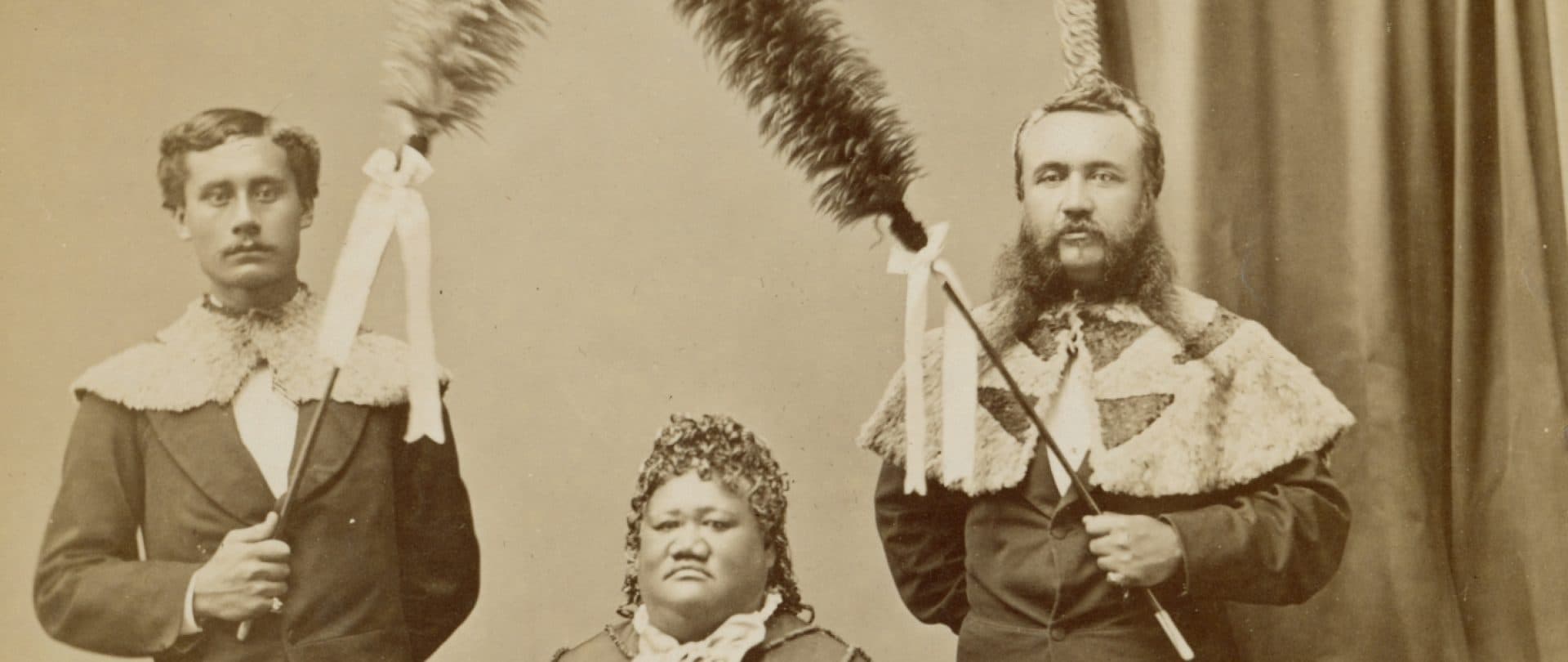
Through every joy and sorrow, victory and loss, Ke‘elikōlani remained kupa‘a (steadfast and unwavering) in her defense of traditional Hawaiian values and customs. In addition to exclusively speaking ‘Ōlelo Hawai‘i and despite having access to grand mansions and royal palaces, she chose to live in a hale pili (traditional Hawaiian grass house). While she adopted Victorian-style clothing, she rejected its ideals of beauty, which prized delicacy and fair skin. Towering at six feet tall and weighing 440 pounds, with a voice described as “the distant rumble of thunder,” Ke‘elikōlani embodied the Hawaiian ideal of beauty that celebrated strength, presence, and abundance. Most importantly, she remained devoted to the worship of traditional Hawaiian gods and ‘aumakua (ancestral guardian spirits).
Ke‘elikōlani’s deep faith and traditional religious practices were so renowned that, in 1880, when a lava flow threatened to destroy the town of Hilo, the people turned to her for help. As the molten river crept within a mile of the town, Christian churches held prayer services, and the Hawaiian government considered using explosives or barriers, but nothing proved effective. In this moment of crisis, Ke‘elikōlani arrived with Princess Lili‘uokalani, sister of King David Kalākaua. At the foot of the fiery flow, Ke‘elikōlani offered oli (traditional chants) and ho‘okupu (gifts) to Pele (Goddess of fire, lightning, wind, and volcanoes), including a red silk scarf, brandy, and a lock of her own hair — a powerful and sacred gift. She camped overnight in the lava’s path and, by morning, the people awoke to find the flow had stopped just short of her camp.
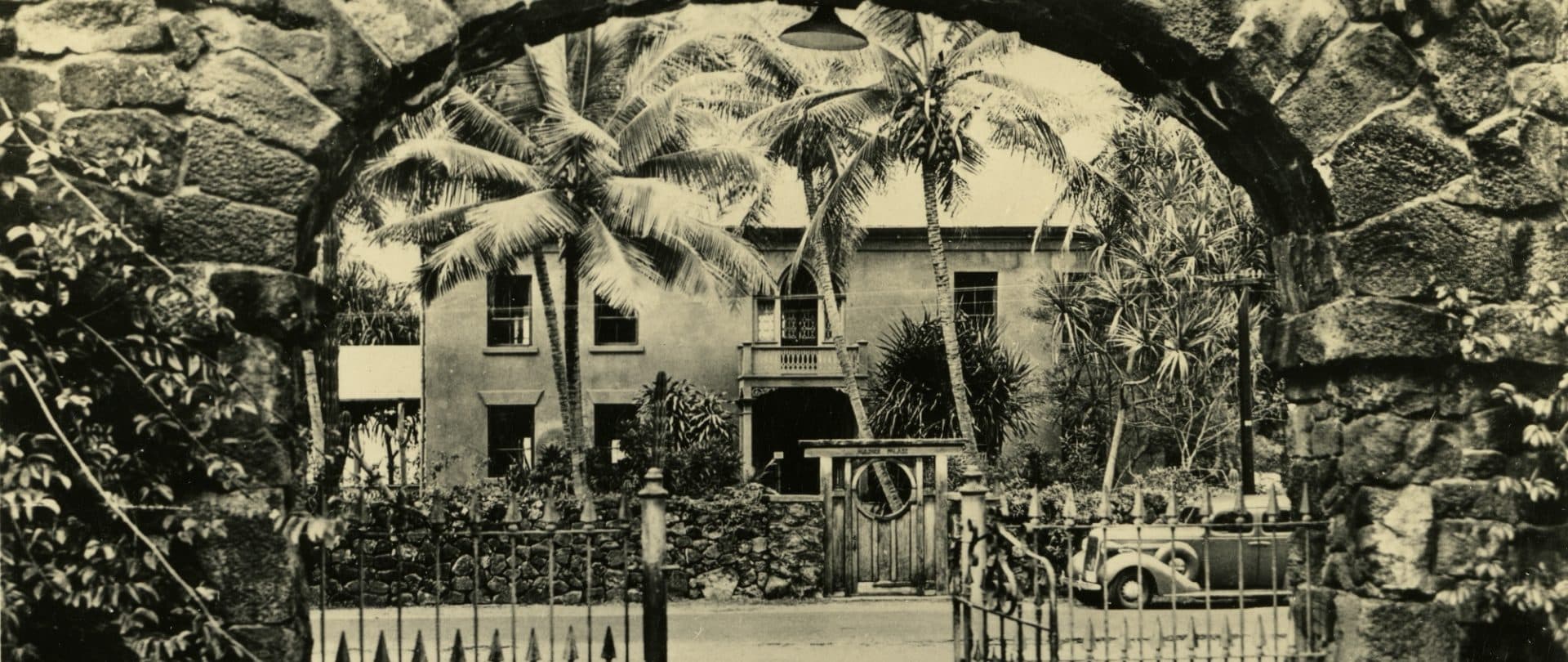
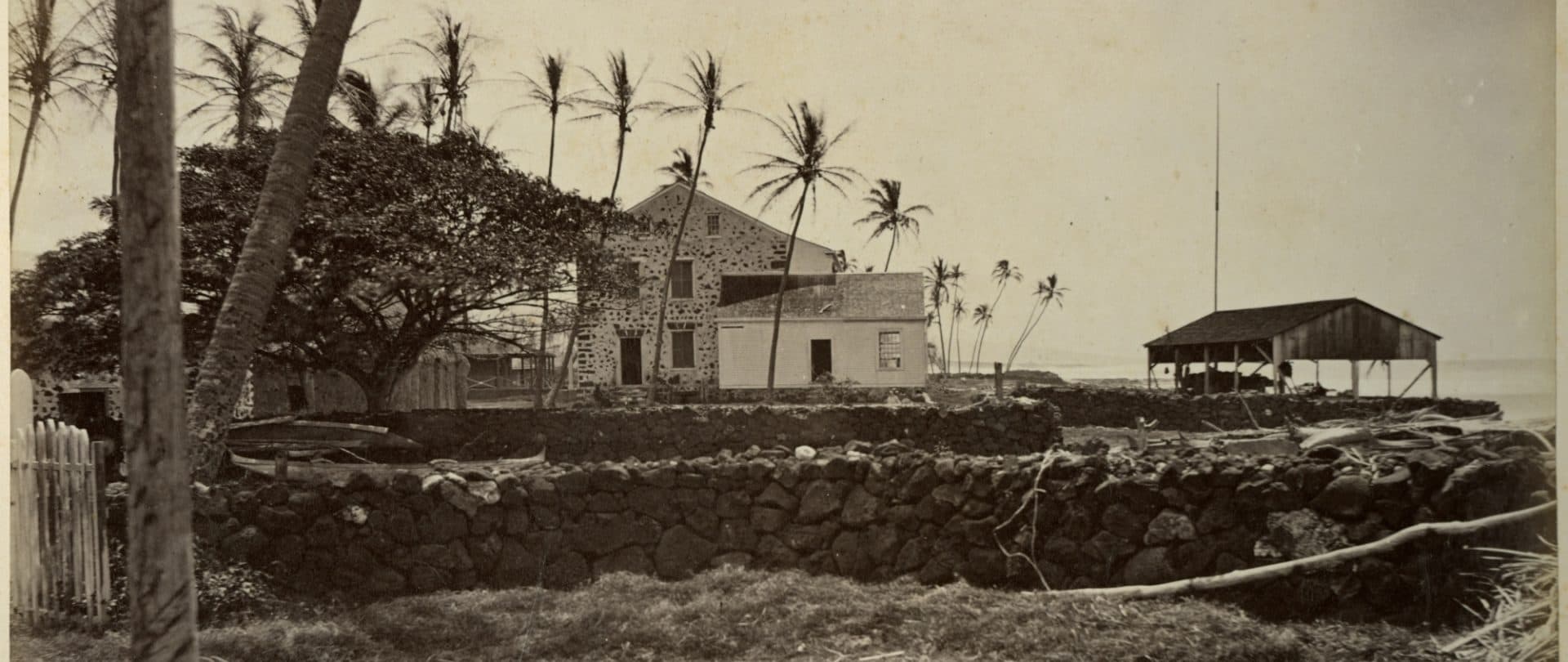
Despite living a life marked by strength and purpose, Ke‘elikōlani fell ill in 1883, and her doctors advised her to return to Hawai‘i Island to rest at her hale pili in Kailua, known as Hale‘ōlelo. On May 24, 1883, Ke‘elikōlani passed away, and her body was brought back to O‘ahu for internment in the Kamehameha Crypt at Mauna ‘Ala, the Royal Mausoleum. At the time of her death, she was recognized as the highest-ranking Kamehameha descendant and among the wealthiest women in the world.
In her will, Ke‘elikōlani bequeathed 353,000 acres of Kamehameha lands to her beloved cousin, Bernice Pauahi Bishop. From this extraordinary gift, Pauahi established Bernice Pauahi Bishop Estate, which dedicated its resources to the preservation of Hawaiian culture and the advancement of Native Hawaiian people, ultimately leading to the founding of Kamehameha Schools.
A champion of the maka‘āinana (common people of Hawai‘i), Ke‘elikōlani stood as an anchor of tradition during a time of change. Through her unwavering commitment to the Hawaiian language, values, and spiritual beliefs, she embodied the resilience of her people. Yet perhaps her greatest legacy lies in her foresight — the decision to preserve and pass on her vast lands to Bernice Pauahi Bishop, ensuring they would serve future generations.