


©2023 Savvy360, LLC. All Rights Reserved
PLAN A TRIP IN OUR APP




Island Inspired
Culinary Q & A with Chef Kaleomana Meatoga
BY Krystal Kakimoto
Born and raised on Kaua‘i, Chef Kaleo’s Hawaiian, Samoan and Japanese heritage deeply influenced his early passion for cooking. Inspired by a childhood spent fishing, diving and hunting, he developed a curiosity about how his family prepared what they caught, sparking a lifelong love of food and flavor. In his new role as the Chef de Cuisine at Tidepools, Chef Kaleo blends the traditional techniques and bold island flavors of his upbringing with the formal culinary training he received at Kaua‘i Community College. At Tidepools, renowned for its modern, island-inspired cuisine, he brings a heartfelt dedication to local ingredients and a vibrant culinary vision as he continues the restaurant’s tradition of welcoming guests to experience the rich, authentic tastes of Kaua‘i in a truly unique setting.
Can you share a bit about your background and what your upbringing was like on the south side of Kaua‘i?
Growing up, Kaua‘i’s southside was all about hanging out with friends and family at the beach. Although I grew up in Kalāheo, I still consider myself to have grown up on the southside. Surfing, diving, hunting and fishing were activities I enjoyed as a kid. Having cookouts at the beach with my family after fishing or diving were some of the best times I had growing up.
What role did food or cooking have in your household?
As a kid, we would have family over with your average Hawaiian potluck. Everyone brought a dish, whether it was Chinese-style steamed uku (gray snapper), kālua pig from the imu (traditional underground oven) or fresh ‘ahi (yellowfin tuna) sashimi (Japanese dish of raw fish) from your uncle’s catch the day before. I also remember growing up and going to my uncle’s house to do imu every once in a while, for graduation parties, weddings or birthdays. Looking back, growing up on Kaua‘i was such a blessing — you are surrounded by nature’s beauty and have access to some of the best fish in the world.
Are there traditional dishes that your family prepares that hold special significance to you?
Absolutely! Several dishes from Hawaiian, Samoan and Japanese cultures hold deep meaning for me, both personally and professionally. From my Hawaiian side, laulau (food wrapped in lū‘au leaves and steamed in an imu) always stands out. There is something about the simplicity and depth of flavor from the pork wrapped in the lū‘au leaf and slowly cooked for hours. It reminds me of growing up, building an imu at my uncle’s house. From the Samoan side, pani popo (sweet bread rolls) is my favorite. Again, it is so simple and so flavorful. A nice sweetbread with a coconut glaze reminds me of my friend’s grandma’s house, which was all you could smell on Saturdays. From my Japanese side, it is ochazuke, which is a simple rice dish served with green tea or broth. Each of these dishes represents more than just flavors; they carry stories of family, culture and identity, and they continue to influence my cooking style today.
Tidepools is known for its stunning setting and ambiance. How does the location influence the dishes or experience you are trying to create for guests?
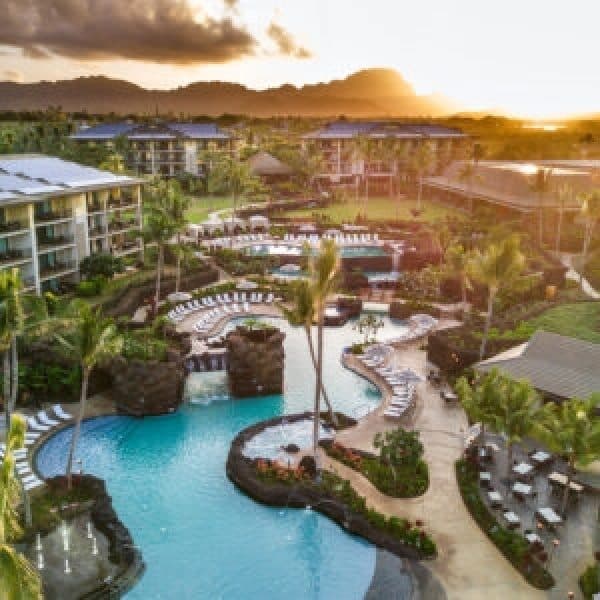
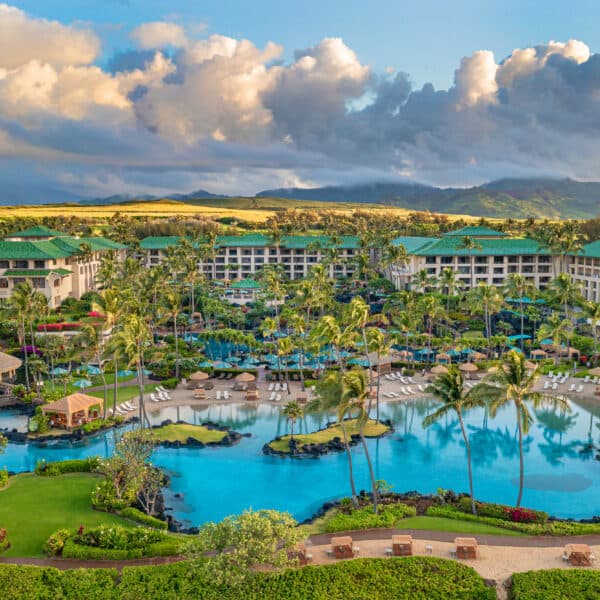
As the signature restaurant at Grand Hyatt Kaua‘i Resort & Spa, dining at Tidepools is a memory you will not forget. The restaurant is nestled over koi-filled lagoons, beneath thatch-roofed hale (houses). The setting inspires a deep sense of place, and my goal is to reflect that in every detail of food and service. I create dishes that utilize local fish and fresh, Hawaiian-grown fruits and vegetables presented in a way that honors Hawaiian culture and modern elegance. The calmness of the water and the natural beauty influence a much more intimate pace of dining, allowing guests to savor each bite.
What are some dishes on the menu that best represent your style of cooking?
The togarashi (Japanese spice blend) spiced opah (moonfish) and kālua braised pork shank best represent my style of cooking. The opah dish is all about balance — light, but complex with bold flavors. You get a kick from the togarashi, the richness of the fish and butter sauce and the sweetness of the pineapple relish, all sitting on a bed of crab fried rice. The kālua braised pork shank, on the other hand, reflects my roots. I take the traditional style smokiness of kālua pig and apply it to the slow-braised pork shank, giving it richness and fall-off-the-bone tenderness. Both dishes pay respect to Hawaiian culture while showing my love for bold flavors, clean technique and modern execution.
How does Hawaiian culture or ingredients shape your menu development?Hawaiian culture and ingredients are at the heart of everything I do when developing a menu. It is not just about using local products; it is about telling a story of the land and the people. I draw from the diverse culinary influences that have shaped Hawai‘i: native Hawaiian traditions, plantation-era flavors and the fusion of Asian and Pacific cultures. Whether using taro, fresh caught fish, pohole ferns or local fruits, I aim to respect each ingredient and seasonality. More importantly, I want the guest to feel that sense of aloha, hospitality, connection and pride in our roots through every bite. My goal is to blend the comfort and tradition with a thoughtful, modern touch that honors where we come from.
If you had a free trip to eat your way through a country, where would you travel to and what would you want to eat?
I would pick Japan. The people there take their work very seriously, and it shows. I would like to eat all kinds of food in Japan — from sushi to fugu (pufferfish) and even street food!
What is an ingredient that you always have in your kitchen?
Pa‘akai (Hawaiian salt) is a treasured commodity in the Hawaiian Islands. Here on the island, the pa‘akai from Kaua‘i Salt Ponds are gifted and cannot be bought.
For Chef Kaleo, the heart of his work at Tidepools goes beyond the artistry of the plate to the smiles, conversations and quiet moments of delight when guests take their first bite. Those genuine reactions, he says, are the most rewarding part of what he does, and a reminder that food is as much about the connection as it is about the flavor. Just as his childhood on Kaua‘i shaped his love for the island and its bounty, his role at Tidepools allows him to share that heritage in a way that is both personal and deeply rooted in the island’s traditions.
Tidepools at the Grand Hyatt Kauai Resort & Spa; 1571 Po‘ipū Road, Kōloa; (808) 742-1234; Open nightly from 5 p.m. to 9 p.m.; hyatt.com/grand-hyatt/en-US/kauai-grand-hyatt-kauai-resort-and-spa/dining.
Stay
Living
See + Do
Shop + Style
Stay
Shop + Style
Stay
Living
See + Do

Shop + Style

Stay

Shop + Style