


©2023 Savvy360, LLC. All Rights Reserved
PLAN A TRIP IN OUR APP




Embracing Aloha
Culinary Q&A with Chef Chris Consentino
BY Krystal Kakimoto
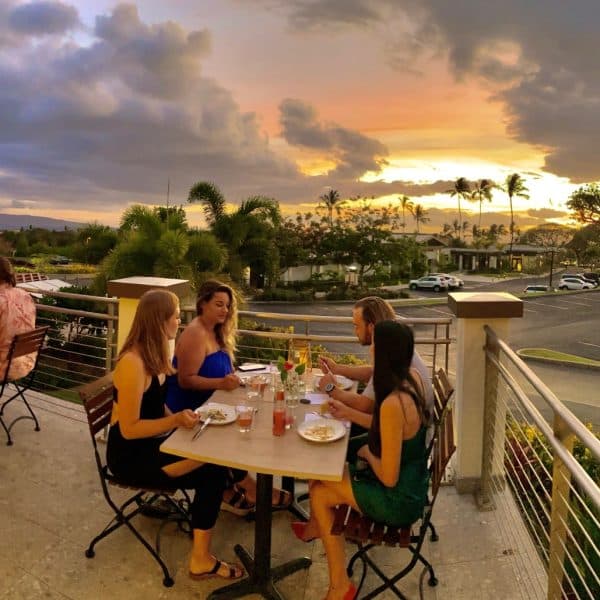
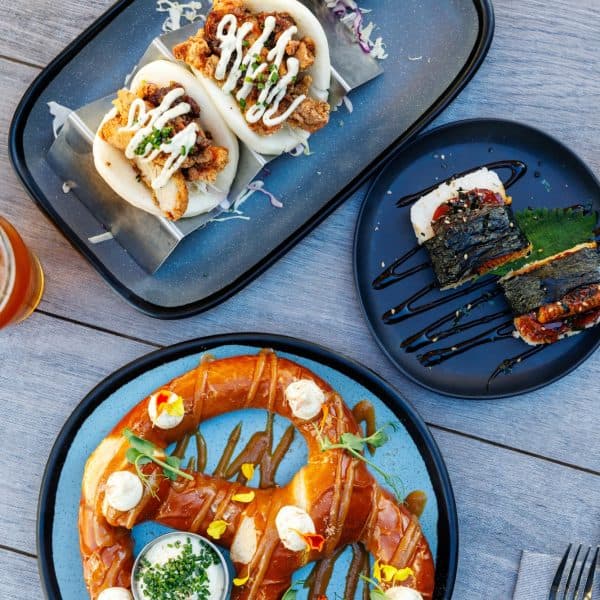
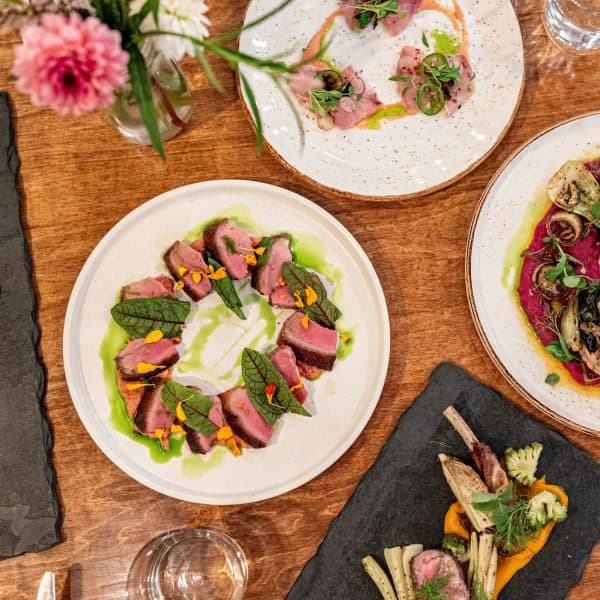
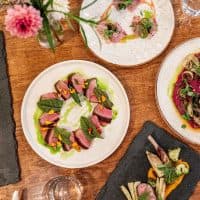
In early 2025, Chef Chris Cosentino, together with the visionary husband-and-wife team David and Alicia Soboda, launched KOAST, an innovative and inspiring new dining spot in Wailea Village. At KOAST, guests are invited to indulge their appetites with dishes that combine local ingredients with international culinary traditions. With years of kitchen experience, Chef Cosentino applies his expertise in whole animal cooking to this exciting partnership, creating an experience where traditional techniques meet the vibrant, fresh flavors of Hawai‘i in every bite.
Thinking back to your childhood, what kind of place did food or cooking hold in your home? It’s always special to remember those moments and how they brought everyone together.
Growing up on Aquidneck Island in Rhode Island, I had a very distinct childhood because of my half-Italian, half-English background. I was surrounded by unique cuisines — my grandmother Helen would cook very traditional English or New England dishes. We would dig quahogs or catch bluefish, have clam bakes and eat lobster rolls, while the other half of my family was Italian, and we had very traditional Italian dishes like handmade pastas, and we canned tomatoes.
What kind of jobs did you have before you started culinary school?
My first real job was working as a dishwasher at IHOP. Before school, I had always been around kitchens in some way. From spending the summer commercial fishing —repairing fishing nets and baiting lobster pots —or working in the cafeteria at Salve Regina College, I was always in a kitchen or around food.
Why do you think whole animal cooking matters in today’s culinary world, and how does it influence your approach to sustainability and respect for ingredients?
It is something that I have always spoken loudly about because it makes no sense to me that people are throwing away valuable and delicious parts because they only value certain cuts of meat. And it is not just cattle, pigs or chickens; it is the same with fish and even produce. When you get leeks, what do you do with the tops? With radishes, do you eat the greens? Take leeks, when you eat the top, they have chlorophyll, and that tastes different from the base of the leeks, which are white. Radishes are spicy and juicy, and the leaves are peppery like arugula. For me, whole animal cooking is about the bigger picture. It is based on sustainability and respect for the animal and the people who raised or caught it. It’s like giving a painter only black and white paint, but then they start to have access to different colors, and they start mixing the paints, making a whole slew of new colors. It’s like that with the textures and flavors of offal. They still have the underlying flavor of the animal, but there’s more depth and richness in some of the offal cuts. I believe that if you are going to harvest an animal, you should be willing to use most of it, as food is a precious commodity. When we become thoughtless in our approach to food, we create too much waste.
How do you introduce whole animal cooking to a guest who might not be familiar with that style of cooking?
Most of the population eats whole animal style, but they just may not be aware of it or acknowledge it. People eat hot dogs, sausages and pâté. When we showcase different cuts of meat that people are not familiar with, it can be intimidating. To make guests feel more comfortable, I pair the familiar with the unfamiliar, such as mixing fried pig’s ears with calamari. I also like to prepare offal cuts as an appetizer or a first course. It’s a smaller portion, which might encourage people to try something to share rather than ordering a whole entrée. I also build trust with guests and regulars, and they end up looking for this style of cooking from me, with an expectation that they can trust what I am going to do. They know it’s going to be delicious. My goal is to always give guests the best experience and break the taboos and fears guests may have with food.
For guests new to KOAST, how would you describe the dishes they can expect to see on the menu?
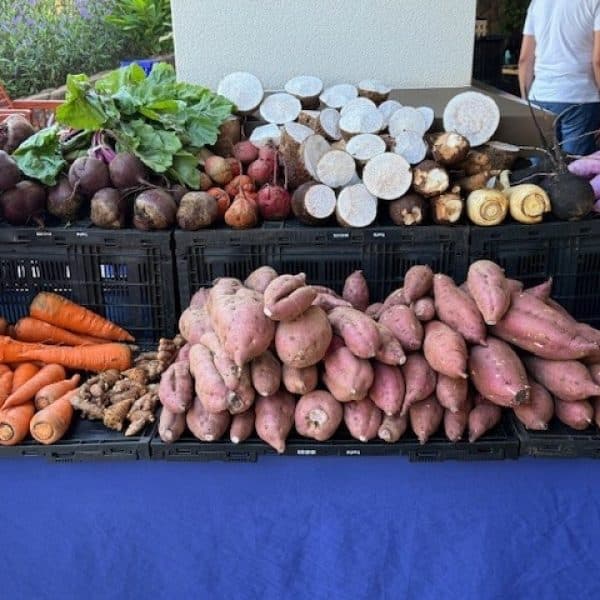
For me, it is about celebrating what is already on Maui. My goal is to work with as many local farmers, fisherpeople and ranchers as possible, and give them the respect they deserve by treating their products in the best way possible. With KOAST’s menu, I focused on trade routes and the people and cultures that have been a part of Hawai‘i’s history, using the foods as inspiration for dishes while highlighting the island’s diverse ingredients.
How do you approach sourcing local ingredients?
There are a couple of different ways. When I first came out to Maui, we visited some farmers markets, saw what people had and talked with folks. Then, Leanne Wong introduced me to numerous farmers and ranchers, which helped me connect the dots. I also met the folks at Surfing Goat Dairy, which has been on the menu since day one, and they have been an absolute joy to work with. With fisherpeople, it happened in a few ways. First, we were introduced to Chimo, who calls us from the boat on his way back to let us know what he caught. I was also biking on the West Maui Loop when I saw a delivery to another restaurant in Kīhei with a bunch of mahi tails and tuna tails hanging out of the back of a gigantic ice chest. I pulled over and met Uncle Kock, and that has been a great relationship because we’ve seen everything from mahi to ‘ōpakapaka to tuna.
Looking to the future, what are some goals you have for KOAST in the coming years?
The biggest thing for us is to be a part of the community. To create the type of environment that people want to come back to, whether to have a snack, dinner or a celebration. We aim to connect with the community, foster relationships and develop this process further using the island's resources.
If you could share a piece of advice with a young chef who aspires to own their own restaurant one day, what would it be?
I think it is important to work your way up and not rush the process. I would recommend that they work with other chefs to help them open their restaurants and gain a better understanding of the process. Before I owned my first restaurant, I opened about six restaurants as a sous chef or line cook. I saw their trials and tribulations. As my career progressed, I gained a deeper understanding of the details, including how the restaurant was designed, built and the processes involved, such as permitting and credit applications. Those things are not taught to young cooks. As a cook, your focus is on learning to cook, not on reading a profit and loss statement or how to look at food cost or labor costs. Owning a restaurant is more than just cooking.
What are some ingredients that you will always have in your home kitchen?
I always have Red Boat Fish Sauce and Jacobsen sea salt.
If you had a superpower to use in the kitchen, what would it be?
It would be great to have eyes in the back of my head and another pair of hands so I could cook and plate at the same time.
What would an ideal day off look like to you?
My days usually start with coffee, an espresso with my wife Tatiana. We listen to KEXP in the morning. Then, I go for a bike ride. I probably have some noodles afterward. Pet my dog. Make dinner. Nothing too crazy, keep it simple.
Chef Cosentino’s partnership at KOAST marks an exciting chapter in Hawai‘i’s evolving food scene. With its seamless indoor-outdoor dining experience and deep connection to place, KOAST reflects a shared vision of hospitality that embraces both innovation and aloha. Through his commitment to local sourcing, he reminds us that food is not just sustenance but also a bridge to the land, community and culture that surrounds it.
KOAST; 116 Wailea Ike Drive, Suite 2204, Kīhei; (808) 214-5545; koastmaui.com; Open daily from 3 p.m. to 8:30 p.m.
Shop + Style
Eat + Drink
Eat + Drink

Eat + Drink

Eat + Drink
Eat + Drink
Shop + Style
Shop + Style
Eat + Drink
Eat + Drink

Eat + Drink

Eat + Drink
Eat + Drink
Shop + Style