


©2023 Savvy360, LLC. All Rights Reserved
PLAN A TRIP IN OUR APP



Coastal Kuleana
A yearlong effort to heal Hawai‘i’s coasts
BY Krystal Kakimoto
Across the pae ‘āina (Hawaiian archipelago), the rhythm of the shoreline is taking center stage in honor of Governor Josh Green’s proclamation naming 2026 the Year of Our Coastal Kuleana. Known in ‘ōlelo Hawai‘i (Hawaiian language) as Makahiki Kuleana Kahakai, this yearlong initiative invites residents and visitors to rediscover the islands through their edges, where the land meets the sea, and responsibility meets connection.
Throughout the year, a vibrant lineup of festivals, volunteer days, cultural workshops, and educational programs is unfolding across the islands. Led by the Department of Land and Natural Resources (DLNR), in partnership with numerous nonprofit organizations, these efforts transform the idea of kuleana (responsibility) into action. Whether restoring native coastal plants, learning traditional fishing practices, or simply gaining a deeper understanding of fragile marine habitats, participants are encouraged to engage with Hawai‘i’s shorelines in meaningful, lasting ways.
Stretching more than 1,000 miles, Hawai‘i’s coastline is a living mosaic of ecosystems ranging from sunlit beaches and brackish wetlands to rugged lava shores and thriving reef systems just offshore. These kahakai (shorelines) are more than just scenic backdrops; they are dynamic and life-sustaining environments that support both biodiversity and community. In the traditional ahupua‘a (land division) system, which extends from mountain peak to ocean depth, the coast serves as a vital link that ensures resources are managed holistically and sustainably.
But the importance of the shoreline in Hawai‘i runs deeper than ecology. For generations, coastal areas have held profound cultural and spiritual meaning. Heiau (temples) were often constructed along the water’s edge, and certain places were revered as leina, points of departure where souls were believed to journey into the next realm. These spaces carry stories, memory, and identity, anchoring communities to both place and ancestry.
At the same time, Hawai‘i’s coasts serve as guardians. They absorb the force of the Pacific Ocean, shielding inland communities and agricultural lands from storm surges, erosion, and tsunamis. In an era of rising seas and changing climates, their role has never been more critical. Yet, despite their significance, these coastal zones are under increasing pressure. Sea level rise, chronic erosion, saltwater intrusion into coastal groundwater, and sewage leaching from cesspools into nearshore waters are reshaping the very edges of the islands.
The impacts ripple outward through a tightly woven, symbiotic system. As coastal lands and waters degrade, so too do the species that depend on them. Seabirds such as mōli (Laysan albatross) rely on sandy shorelines for nesting. Honu (green sea turtles) graze on algae in shallow reefs and return to beaches to rest and lay their eggs. Even nalo meli maoli, the native Hawaiian yellow-faced bee, lives along the shores and serves as an important pollinator of native plants. Each species reflects the health of the shoreline, and each is vulnerable to its decline.
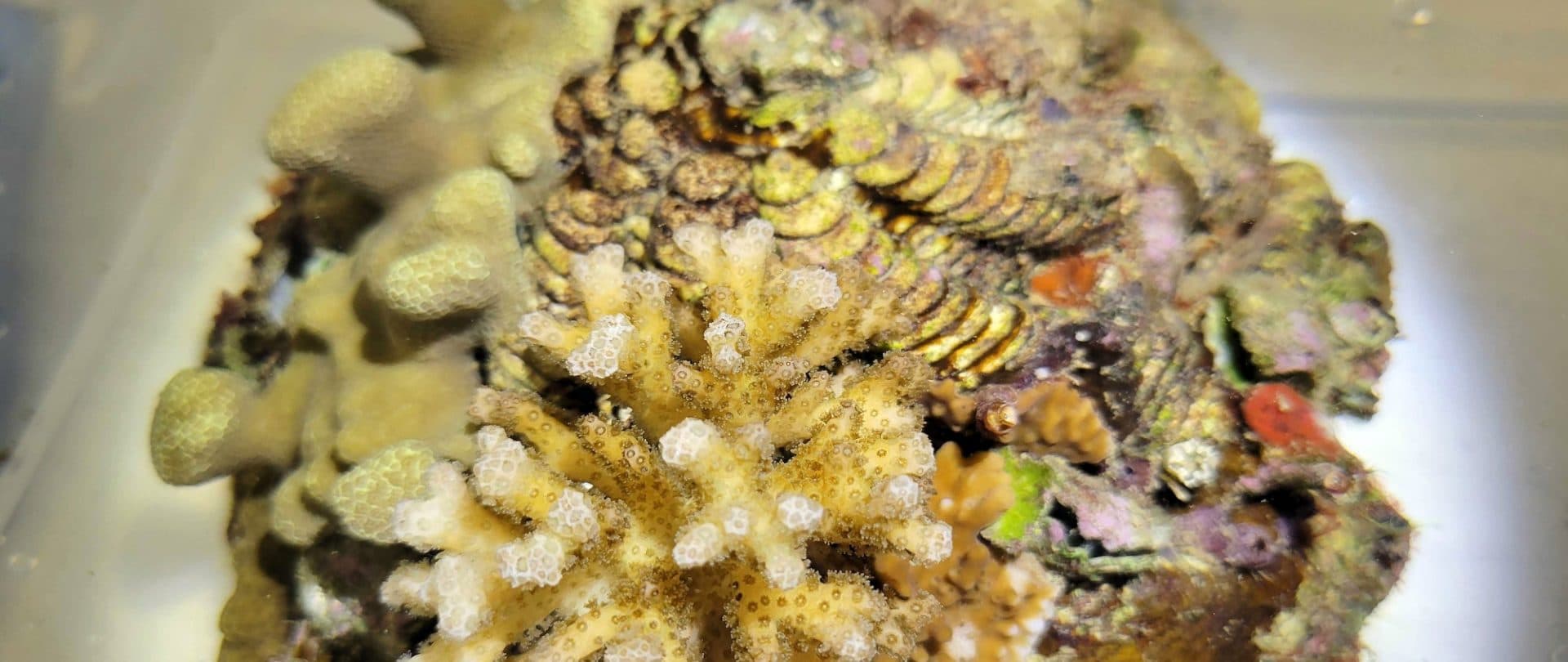
Perhaps nowhere else is the decline of coastal areas more evident than beneath the surface. Hawai‘i’s coral reefs, long celebrated for their biodiversity and cultural importance, have experienced dramatic losses in recent decades. According to the DLNR, some reefs have lost up to 60 percent of their live coral, largely due to climate-driven marine heat waves that trigger widespread coral bleaching. Local stressors, including pollution, sediment runoff, and coastal development, compound the damage, making recovery increasingly difficult.
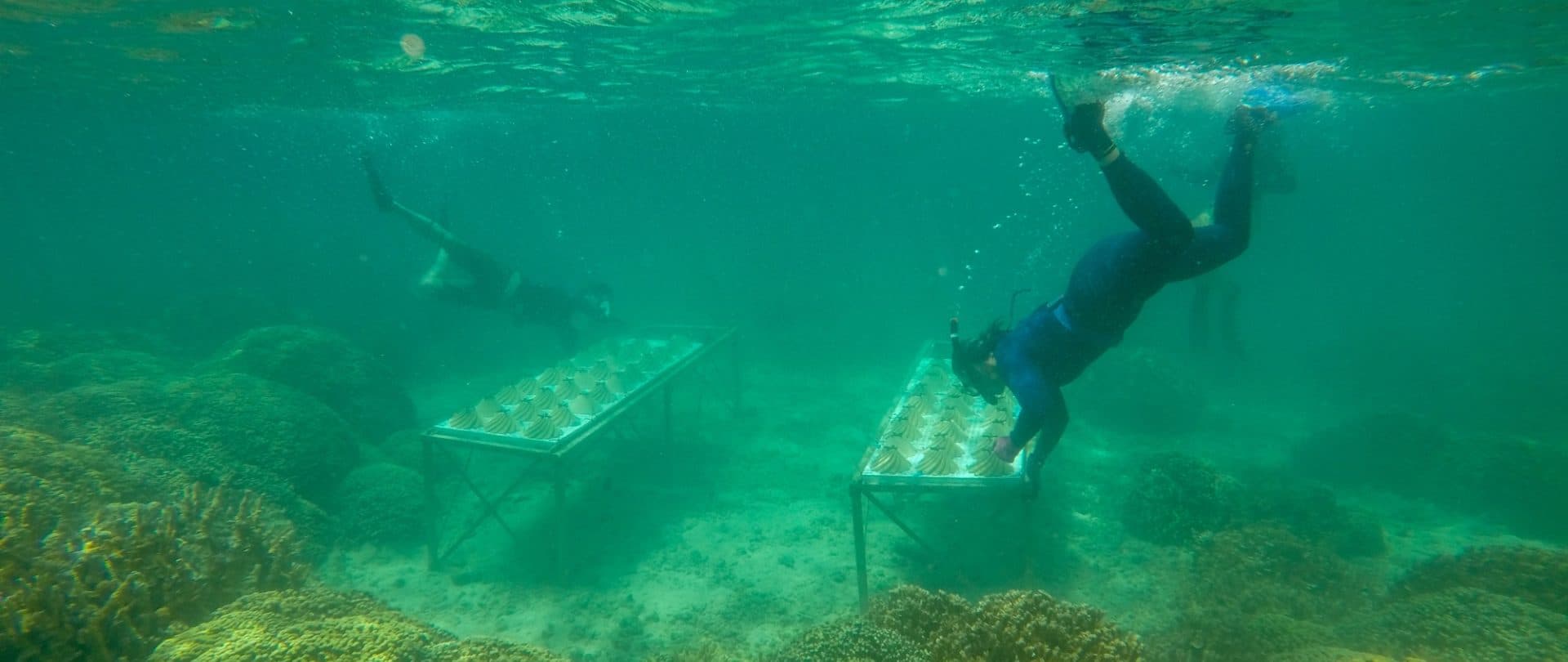
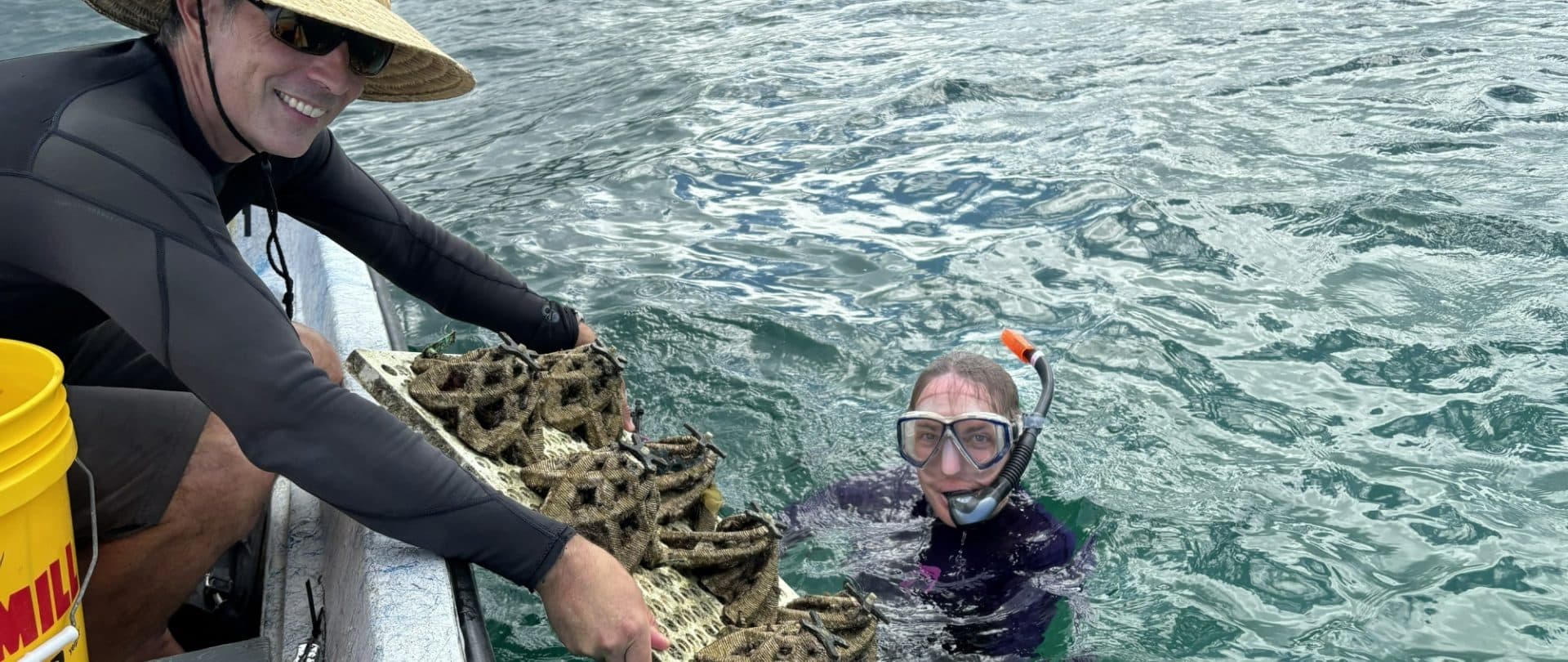
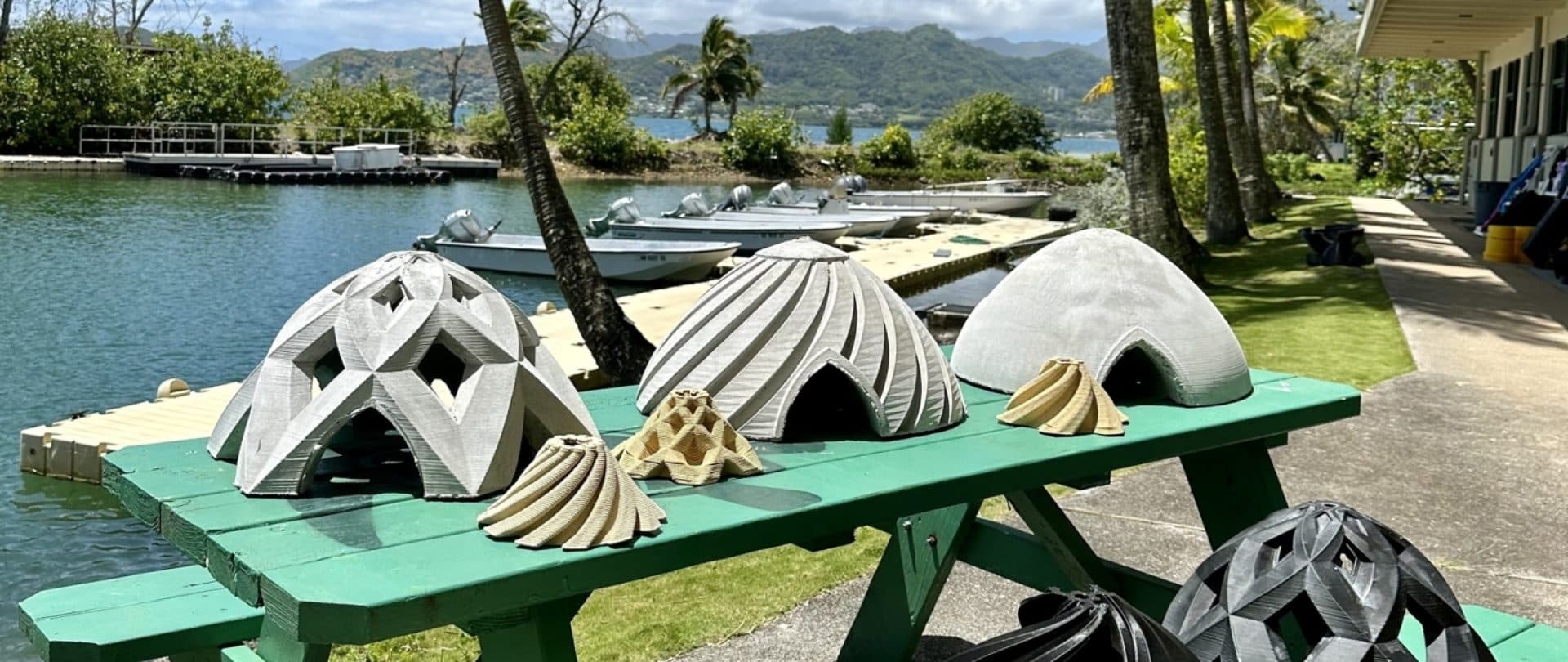
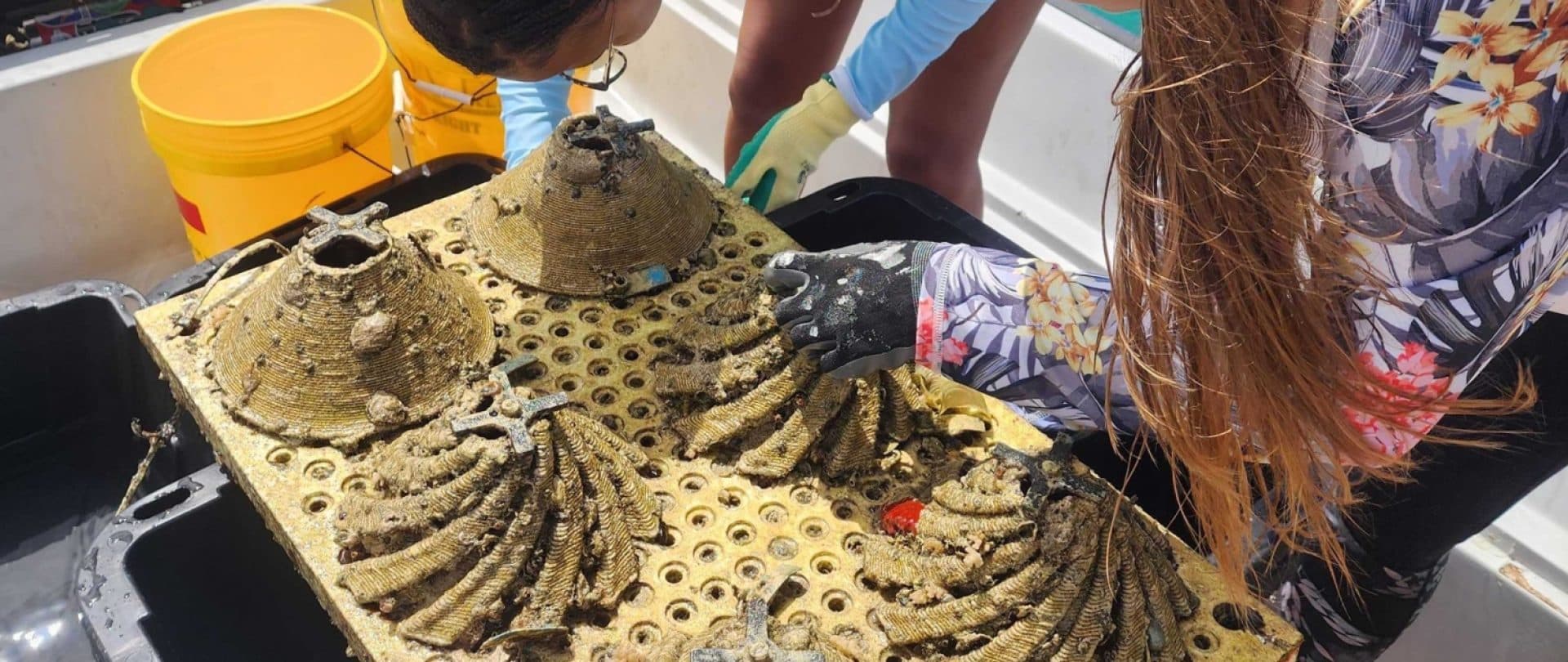
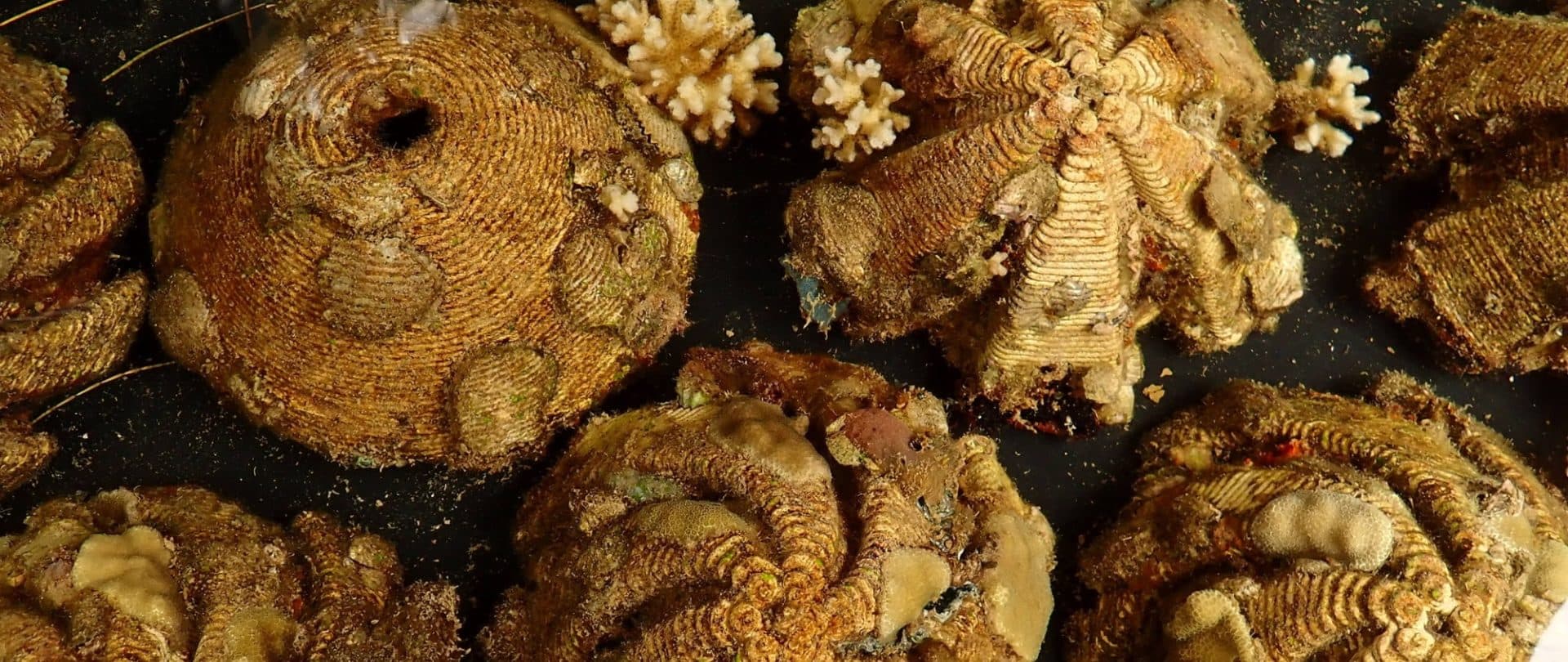
Another persistent challenge in reef restoration has been the fragile life of juvenile corals. Even when larvae successfully settle, few survive to adulthood due to predation, smothering from algae, or being swept away by waves. To address this issue, scientists at the Hawai‘i Institute of Marine Biology (HIMB) are rethinking how to rebuild reefs from the ground up. Their solution includes innovative 3D-printed ceramic structures designed to shelter and protect juvenile corals during their most vulnerable stage. “We were drawn to 3D printing because it allows us to rapidly create different restoration designs using a range of ceramics, fire them in kilns, and deploy them on the reef,” explains Dr. Joshua Madin, principal investigator at the Marine Conservation Innovation Group and co-author of the study.
Madin and his colleagues tested their designs in Kāne‘ohe Bay, deploying small, spiral-shaped shelters known as “helix recesses” across two reef sites. By tracking coral settlement and survival, the team discovered that this design significantly outperformed others. “We have shown that our design attracts 80 times more coral babies than controls and 50 times more than natural reef,” explains Madin.
Equally promising is the potential to scale this approach, and Madin believes HIMB’s solution is the most scalable for coral restoration for several reasons. “First, we are only adding passive designs made of ceramic materials to the environment, which can be integrated into coastline infrastructure like breakwaters, bridges, erosion controls, ports, and so on, at very large scales with marginal added cost. Second, we are not harvesting and growing corals in a nursery; we are utilizing an unlimited natural resource: the trillions of coral larvae spawned every year on coral reefs that disperse at large scales,” says Madin.
While scientific innovation offers hope offshore, the responsibility for coastal stewardship extends to everyday choices on land and at sea. The DLNR encourages residents and visitors alike to practice pono (responsible) actions when interacting with coastal environments. That can be as simple as avoiding contact with coral reefs, staying aware of fins while snorkeling, choosing reef-safe sunscreen, and returning overturned rocks to their original positions. On land, it means recognizing that everything flows downstream: removing trash from beaches and waterways, limiting the use of harmful chemicals, and never introducing nonnative species into Hawai‘i’s delicate ecosystems.
Ultimately, the future of Hawai‘i’s coastlines rests on a collective effort — scientific breakthroughs, cultural knowledge, and the everyday acts that mālama (care for) the shoreline. To recognize its role as provider, protector, and connector is to invest not only in coral reefs and sandy shores, but in the resilience of entire island ecosystems and the communities they sustain.
Visit dlnr.hawaii.gov/coasts/#pono for more information on Year of Our Coastal Kuleana.
Learn more about Dr. Madin’s research at himb.hawaii.edu/lab/marine-conservation-innovation-group.