


©2023 Savvy360, LLC. All Rights Reserved
PLAN A TRIP IN OUR APP







Living Canopy
Experience the nation's only tropical cloud forest, high on Hualālai.
BY IJfke Ridgley
Located just 15 minutes above Kona Airport on Hualālai Mountain, the Kona Cloud Forest Sanctuary is a world unto itself. We arrive in the morning on a narrow road winding up the mountain, the trees thick and the humidity thickening, to join one of the sanctuary’s guided hiking tours. Locals and visitors are invited to experience the 70-acre property’s unique high-elevation ecosystem, which includes 55 acres of old-growth native forest and 15 acres of intentionally reforested tropical cloud forest. In fact, the Kona Cloud Forest Sanctuary sits within the only dry winter tropical cloud forest in the United States.
Representing only about one percent of the world’s forested lands, cloud forests sit at a higher elevation, this one extending 50 miles long between 2,500 feet and 5,000 feet in elevation. While tropical rainforests usually receive more than twice as much rain, tropical cloud forests receive moisture from passing clouds and mists. Cooler climates and high humidity characterize this unique ecosystem.
The tour begins with a history of the impressive property before heading up into the hills through the forest, armed with walking sticks provided to us. The sanctuary sits on Hualālai Mountain, one of Hawai‘i Island’s five volcanoes, and one of three that remain active. This means that the ground on which it sits is quite young by Hawaiian Island standards, much of it formed most recently by the volcano’s last eruption in 1800. The forest around us sits on layers of lava rock, meaning we must step over tree roots that have grown out rather than down on this rocky, unique terrain.
This dense forest, filled with myriad species, did not always look this way. The Kona Cloud Forest Sanctuary was founded in 1982 by tropical horticulture specialist Norman Bezona. It began as a reforestation project on former ranch land and has since evolved into a thriving landscape filled with native species such as loulu palms and ‘ama‘uma‘u ferns, alongside bamboo, banyans, and coniferous redwoods. The bright blue berries of the Blue Marble tree dot the hiking trail as we step over its signature wall-like roots, and later the guide invites us to hug the massive, colorful trunk of the Rainbow Eucalyptus we pass. Native birds like the ‘io (Hawaiian hawk), pueo (Hawaiian short-eared owl), and honeycreepers call these trees home.
The guide points out the native ʻōhiʻa lehua evergreen tree, which plays a crucial role in this volcanic ecosystem as a pioneering species, meaning it is among the first plants to grow on solidified lava flows. Its roots are strong enough to break up lava rock, creating soil, retaining water, and preventing erosion. This very slow-growing tree has adapted to the harsh conditions of the Hawaiian Islands and is ecologically vital to the forest ecosystem. Hanging from it is the native ‘ie ‘ie vine, which has a symbiotic relationship with the ʻōhiʻa lehua and provides the tree with moisture.
As the tour leads from the Pantropical Lower Loop Trail to the higher elevation Montane Jungle Trail, the trees are noticeably shorter and gnarlier. They have adapted to the unique characteristics of the cloud forest, and are usually covered in bryophytes, ferns, and epiphytic plants, or “air plants” that grow on other plants and don’t root in soil. This forest plays an essential role in the Kaloko ahupua‘a (land division), replenishing the aquifer and purifying water needed for the west side of Hawai‘i Island. It is also the area that inspired director James Cameron and his creation of the film “Avatar”. In fact, the cast and crew spent 10 days here to feel what it would be like to live in the forest.
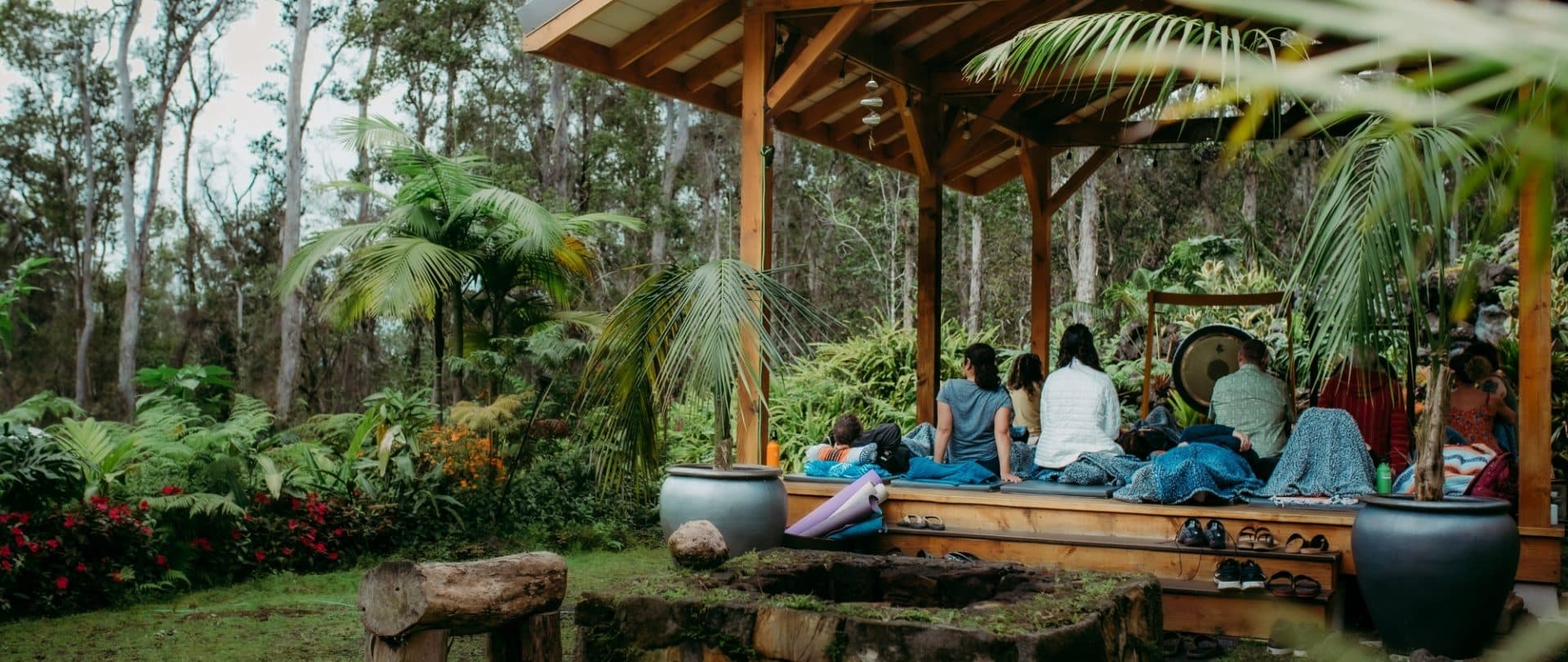
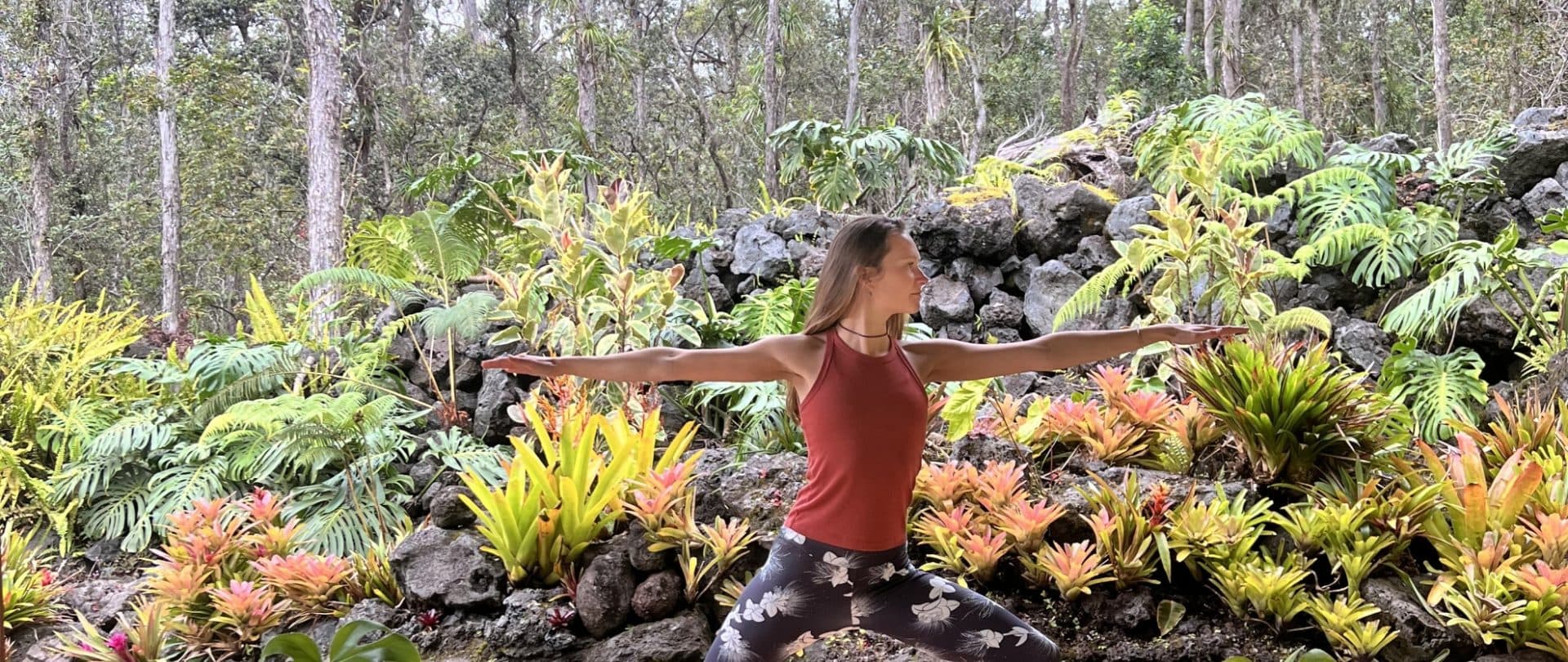
The sanctuary is still operated by the Bezona family, who are committed to continuing the property’s reforestation. Besides daily hiking tours, the sanctuary also offers other wellness experiences like meditation, sound-baths, music and movement events, and photography tours, meaning there is something for everyone looking to visit this incredibly special and one-of-a-kind part of Hawai‘i.
Kona Cloud Forest Sanctuary, 73-1865 Hao St., Kailua-Kona; 808-491-2369; konacloudforest.com; Open daily.