


©2023 Savvy360, LLC. All Rights Reserved
PLAN A TRIP IN OUR APP






Preserving the Past
Digitizing history at Hawai‘i’s Plantation Village
BY Krystal Kakimoto
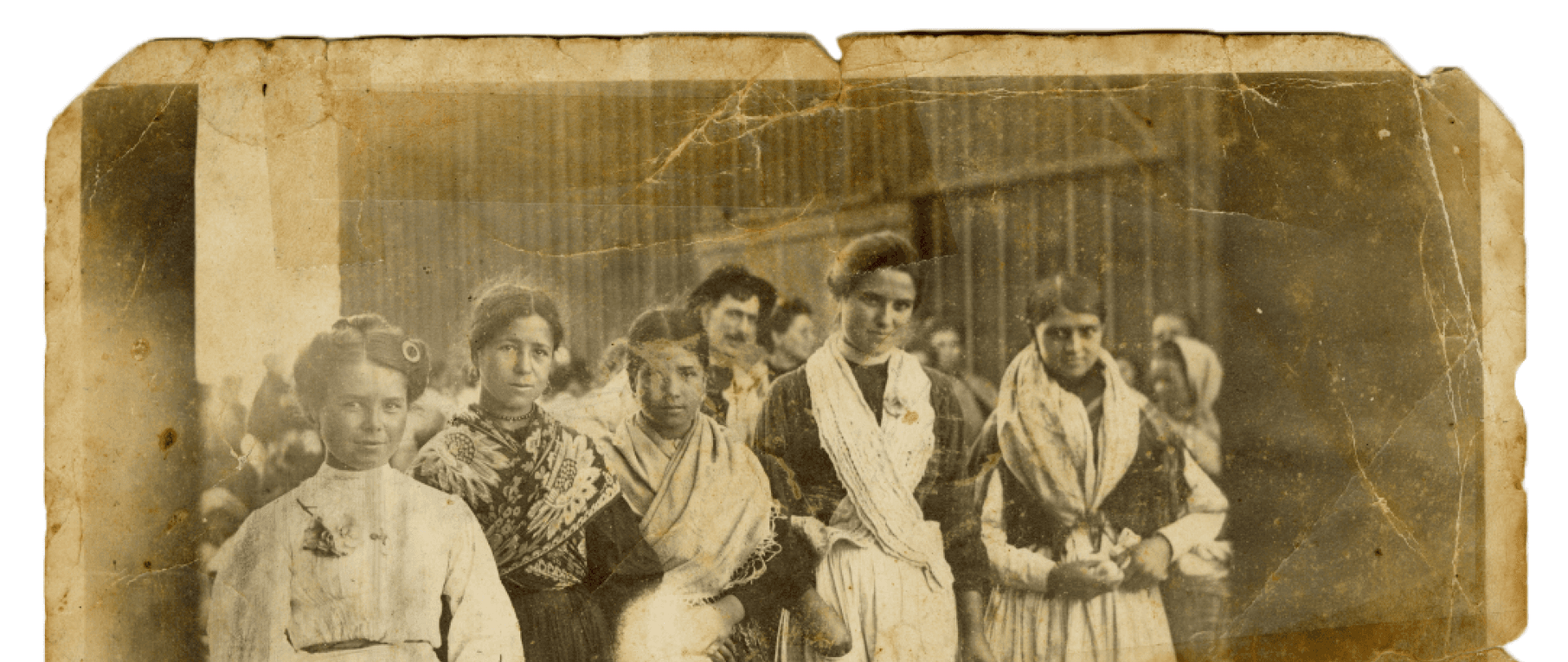
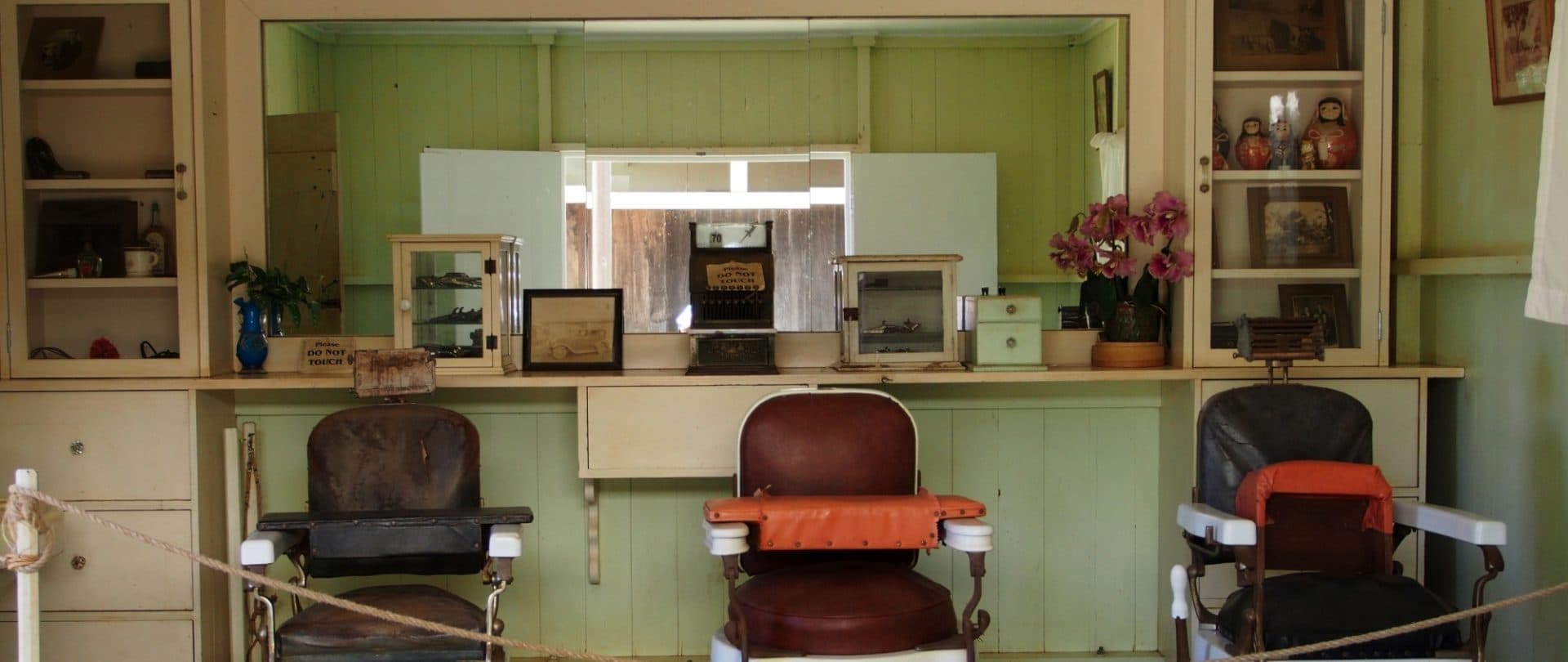
The saying “a picture is worth a thousand words” may be an understatement, especially when it comes to the photos and artifacts of Hawaii’s Plantation Village. Established in 1992, this unique outdoor museum brings to life the story of Hawai‘i’s sugar plantations from 1850 to 1950, an era when “sugar was king.” Through meticulously restored buildings, replica structures, and carefully curated archives, Hawaii’s Plantation Village offers visitors an immersive glimpse into the daily rhythm and challenges of plantation life. In keeping with the museum’s mission to educate the public about Hawai‘i’s plantation experience, and thanks to a dedicated team of passionate volunteers, the museum’s archival photographs and artifacts are now being digitized to preserve these invaluable collections for future generations and also open a window to the world, allowing anyone, anywhere to explore the rich history of Hawai‘i’s plantations.
The digitization project began in 2021, when the team behind the initiative applied for and received a preservation and access grant from the Hawai‘i Council for the Humanities and the National Endowment for the Humanities. After securing funding, the group acquired a dedicated computer and scanner and developed detailed protocols to guide the work. By 2023, the digitization process was officially underway.
The project was led by Yoshiko Yamauchi as Project Director, with Gina Vergara-Bautista serving as Project Archivist and Clement Bautista as Project Humanities Expert. In addition to the core staff, Bautista credits a dedicated group of volunteers as essential to the project’s success. “Depending on availability, we would have anywhere from two to six volunteers working at a time,” he explains. “Our volunteers are all part-time. Some were student interns, so most participated on a temporary basis.”
After thorough orientation to the cataloging software and scanning equipment, and careful handling of artifacts, volunteers began the delicate work of preserving history, one photograph at a time. Their tasks included retrieving original pictures and artifacts from the museum’s archives and capturing both the front and back of each item, along with any accompanying documentation.
“Photographs are scanned at full size, full color, and at a resolution of 600 to 1,200 dpi, then saved as .tif files,” explains Bautista. Most of the photos, he notes, remain in remarkable condition, protected in Mylar sleeves since their accession into the museum’s collection. To safeguard these delicate photographs, volunteers wear gloves before gently removing each photo from its protective cover — only briefly for digitization — then returning it to its archival sheath. Once the digitization and cataloging are complete, the photographs are stored in climate-controlled rooms to prevent deterioration.
But as Bautista emphasizes, the process involves more than just scanning. “[Digitization] is a very slow process, especially during the cataloging phase,” he says. “Information about each artifact and photograph must be entered to be used as potential search information. Historical research must be conducted to properly describe each item being catalogued.”
The project currently encompasses three major collections. The Oahu Sugar Company Collection spans the 1940s and 1950s, documenting sugarcane cultivation, harvesting, mill operations, finances, housing, and medical services. R. H. Lodge and Ernest Malterre Jr., a plantation housing supervisor, originally compiled the materials. The Murakoshi Collection features the personal archive of Mae Okada, containing photographs by father-and-son photographers Nobunosuke and Henry Murakoshi. Their work captures both posed studio portraits and candid glimpses of school activities, picnics, and community events. The largest of the three, the Friends of Waipahu Cultural Garden Park Collection, gathers thousands of donated photographs that depict family life, labor, culture, World War II, and recreation, painting a vivid picture of Hawai‘i’s plantation communities.
In total, the museum’s archives contain approximately 7,000 images, with around 2,500 images scanned to date. However, as Bautista points out, scanning is only the beginning. He adds, “Describing and cataloging the photograph are what make the photograph relevant. Currently, about 500 photographs have been cataloged.”
Thanks to the dedication of staff and volunteers, the plantation era is being reborn in a digital form. Each scanned image, paired with rich metadata, offers a new window into Hawai‘i’s past. The team aims to make the collection fully accessible online, enabling people worldwide to explore this part of the island’s history. “Our plan is to have our collection available online for research purposes,” says Bautista. “Currently, we are only taking requests for specific types of photographs to be viewed.”
When asked what keeps the team motivated, Bautista reflects on the mission’s importance. “Hawai‘i’s plantation-era history is not only incomplete but also slowly being forgotten, not only among our youth but also by adults. This history not only informs us about who we were, but also about how we exist in the present. Moreover, the plantation-era relationships and experiences between laborers and the rest of society remain incompletely documented. There is much more history to be unearthed and analyzed.”
Hawaii’s Plantation Village; 94-695 Waipahu Street, Waipahu; (808) 677-0110; hawaiiplantationvillage.org; Open Monday through Saturday from 9 a.m. to 2 p.m., with guided tours at 10 a.m. and 12 p.m.; hawaiiplantationvillage.org.