


©2023 Savvy360, LLC. All Rights Reserved
PLAN A TRIP IN OUR APP


Rubbah Slippah
A short history of the rubbah slippah
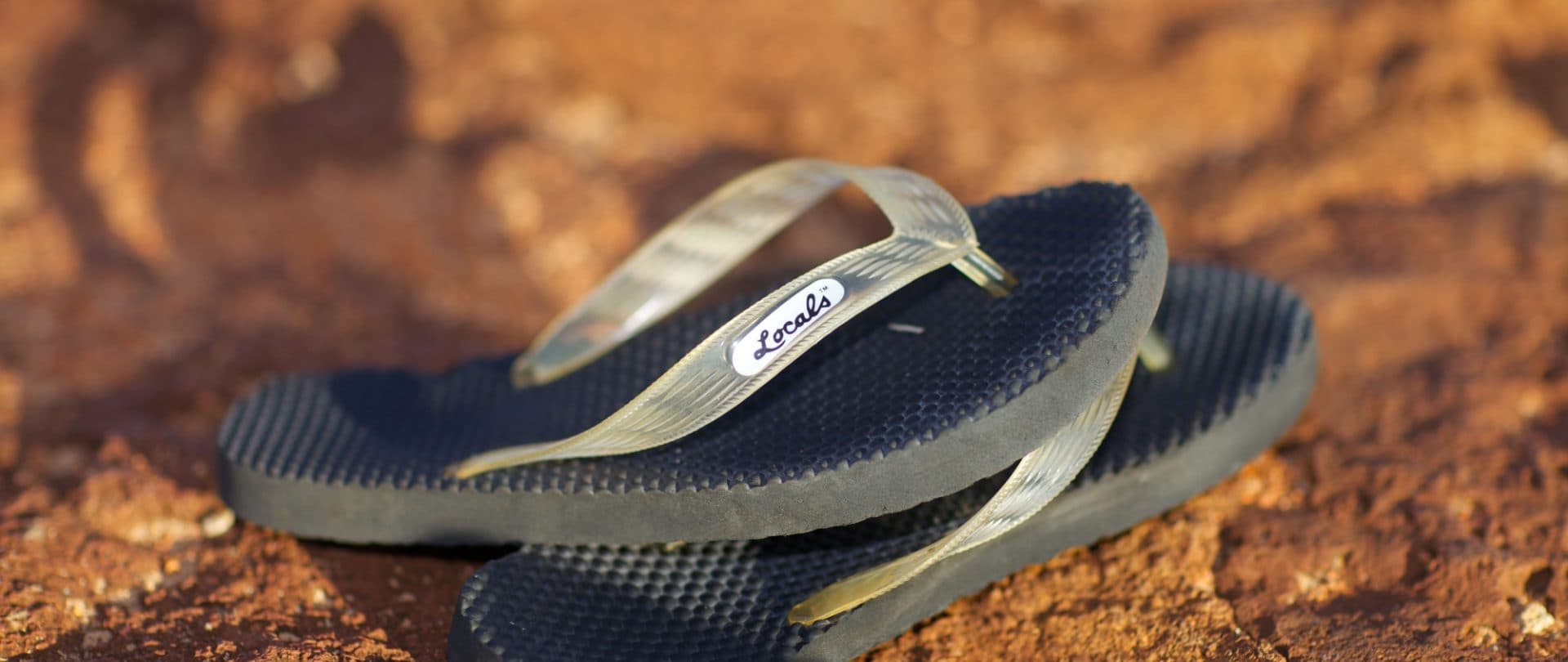
Some call them thongs, sandals, or flip-flops. In Hawai‘i they are slippers, slippahs, or rubbah slippahs — the footwear of choice for most locals, and the subject of firm opinions, since anything with a backstrap or a raised heel is a sandal rather than a slipper. One of the best-known local brands is, aptly, called Locals. The association traveled far enough that Brazilians call them sandálias havaianas, Hawaiian sandals, and in India and Pakistan they are hawai chappal, chappal being Hindi and Urdu for slippers. Slippers came to Hawai‘i with Japanese plantation laborers, who arrived wearing zori and geta, and the rubber version took hold after World War II, by which time Hawaiians had long gone mostly barefoot, using ti-leaf sandals when they needed to cross lava. Island Slipper has been making them by hand on O‘ahu since 1946. Take your footwear off before entering someone’s home. For locals, it is automatic; for everyone else, the signs above the door do the reminding: Mahalo for removing your slippahs. The custom came out of plantation-era Hawaiian, Chinese, and Japanese households alike, a sign of respect to the host and a way of keeping the floors clean. Just be sure you no take mo’ bettah slippahs when you leave.