


©2023 Savvy360, LLC. All Rights Reserved
PLAN A TRIP IN OUR APP


Wai Nīoi
The backyard pepper that arrived in 1815, and the bottle it ends up in.
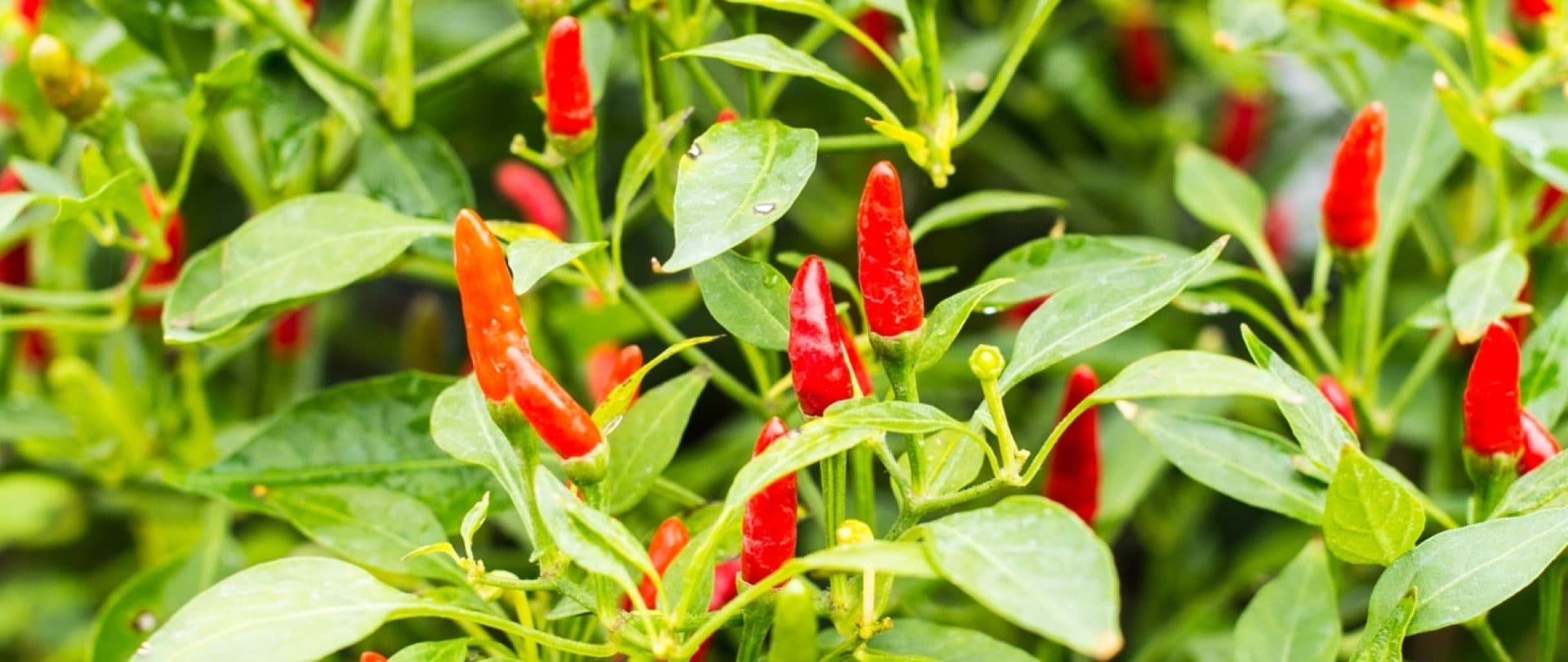
The bush is knee-high and easy to walk past until the peppers ripen, and then it is unmistakable: small, bullet-shaped fruit turning from green through orange to bright red along the same branch. This is nīoi, the Hawaiian chili pepper, which grows year-round in the islands and turns up in enough backyards that plenty of families keep one by the back steps. Most of what they pick ends up in a bottle. That bottle holds wai nīoi (chili pepper water), and the English name is a straight translation of the Hawaiian. At its simplest it is nīoi, salt, and water, though crushed garlic, ginger, or a splash of rice wine vinegar often go in as well, and no two households make it quite the same way. It pours like water. The pepper arrived comparatively recently, thought to have reached Hawai‘i around 1815 through the Honolulu gardens of Don Francisco de Paula Marín, the Spanish adviser to Kamehameha I. Hawaiians named it nīoi and used it in water as a treatment for the skin, and it turns up now in Portuguese piri piri and Japanese pickles alike. At a local-style restaurant, it sits on the table beside the shoyu, and locals dash it over beef stew, Hawaiian barbecue, kālua pig, poke, and poi, or pour a little into a side dish to sip between bites. Go past the ketchup and the Tabasco. A few drops are enough to start with.